About Islands
Learn to recognize famous islands from around the world using satellite imagery. From tropical paradises in the Pacific to volcanic formations in the Atlantic, each island has unique shapes, geological features, and surrounding waters visible from space.
This mode features diverse islands from every ocean, including volcanic islands, coral atolls, continental islands, and unique archipelagos.
Why Learn Islands from Satellite View?
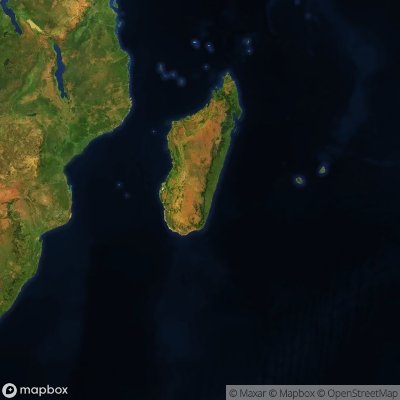
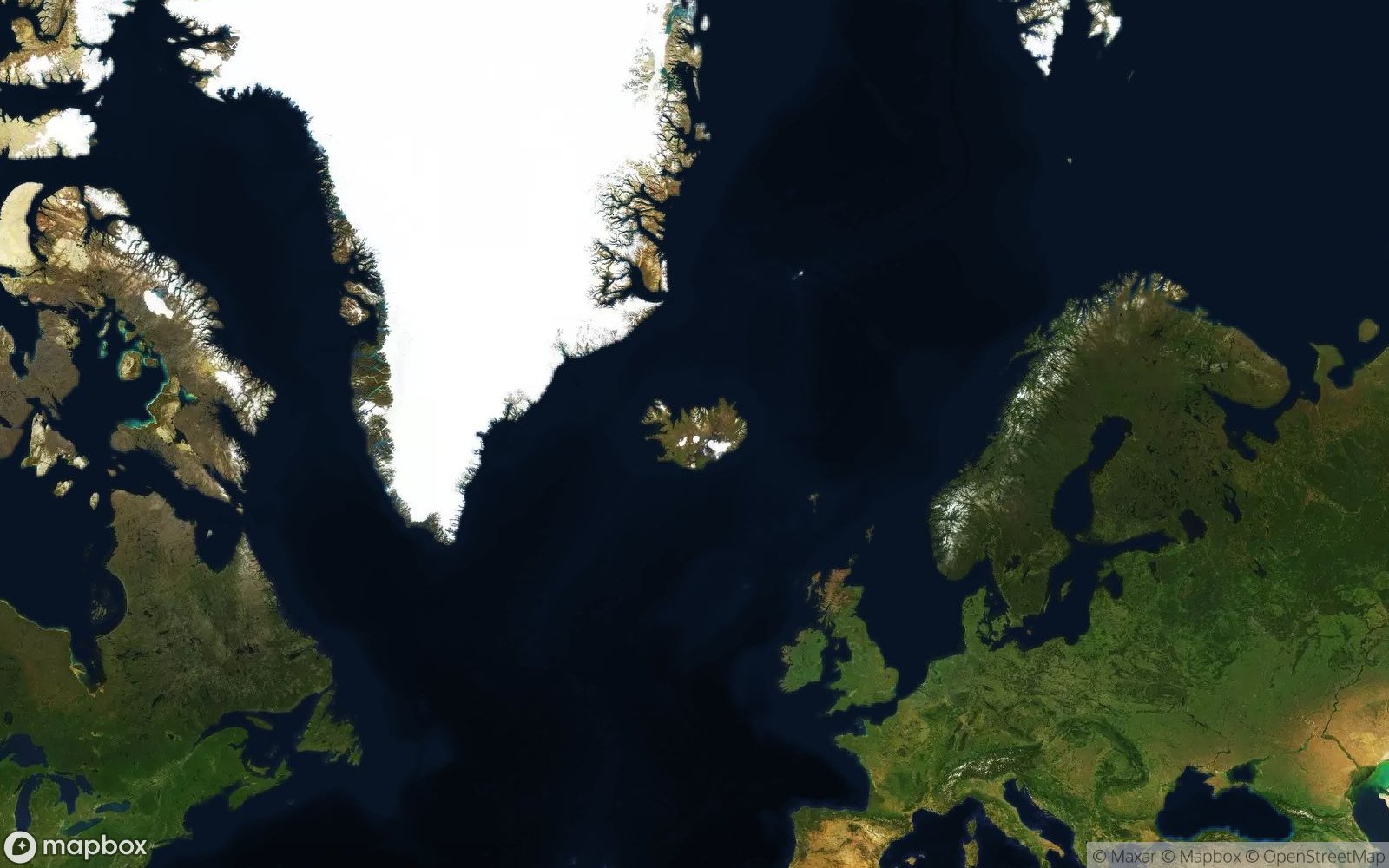
Islands represent unique ecosystems and geological phenomena that tell stories of Earth's dynamic processes. Learning to identify them from satellite view reveals how volcanism, plate tectonics, erosion, and biological processes create diverse island types. Iceland's volcanic origins show dramatically different patterns than Maldives' coral atolls, while Madagascar's ancient continental separation creates biodiversity hotspots visible in varied vegetation patterns.
Understanding islands enhances appreciation for geographical isolation and ecological uniqueness. Island biogeography becomes visible from above—Hawaii's volcanic chain showing age progression from active Big Island to eroded Kauai, or Galápagos' isolation enabling unique evolution. You'll recognize how isolation shapes human settlements: Caribbean islands' coastal development contrasting with mountainous interiors, or how Pacific atolls' limited land concentrates populations.
This knowledge connects geology, ecology, and human geography. Islands reveal climate zone diversity: tropical Indonesia versus sub-Antarctic South Georgia, or temperate British Isles. They show vulnerability to climate change (low-lying atolls threatened by rising seas) and strategic importance (Cyprus' Mediterranean position, Singapore's trade route location). Whether studying marine biology, geology, or planning island tourism, satellite island recognition builds understanding of how isolation creates diversity.
What You'll Discover
Satellite imagery reveals island formation types and characteristics. Volcanic islands display characteristic shapes: circular calderas, radiating lava flows, or steep coastal cliffs where molten rock met ocean. Hawaii's shield volcanoes create gentle slopes, while Caribbean islands show more explosive volcanic peaks. Coral atolls appear as rings encircling lagoons, their formation process (volcanic islands sinking, reefs growing) visible in various Pacific stages from high islands (Bora Bora) to low atolls (Maldives).
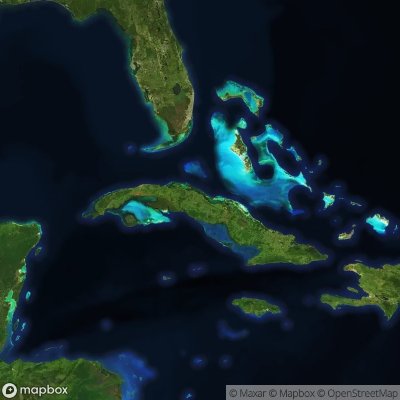
Vegetation patterns indicate climate and ecology: lush tropical rainforests blanketing equatorial islands contrast with sparse Mediterranean scrub or volcanic desert. Reef systems appear as turquoise halos in tropical waters—the Great Barrier Reef off Australia, Caribbean reef chains, or Red Sea fringing reefs. Human impact shows clearly: resort development clusters, airport runways on narrow atolls, or terraced agriculture on steep volcanic slopes.
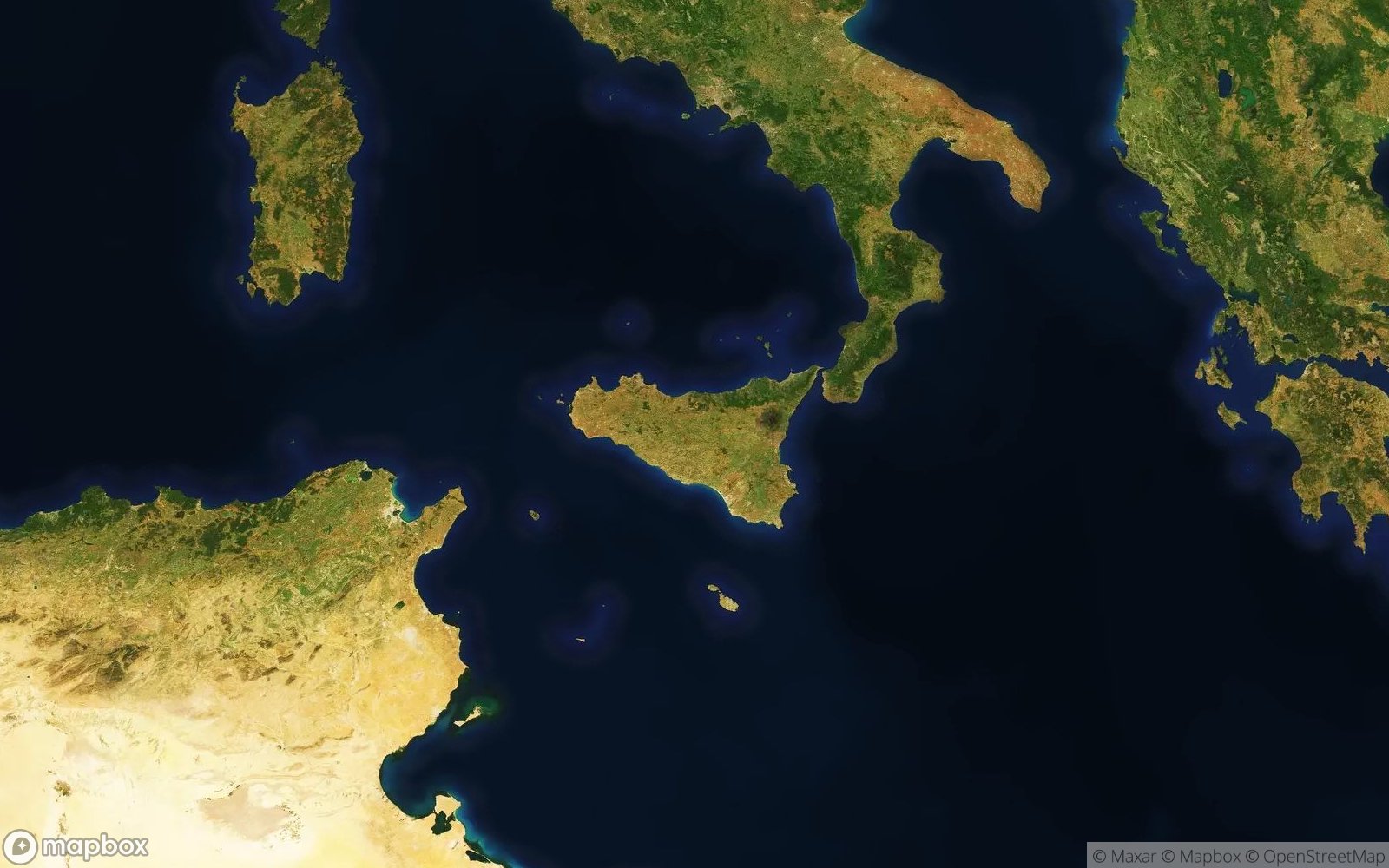
Geographic context matters: archipelago patterns like Indonesia's volcanic arc following tectonic plate boundaries, or how Caribbean islands arc from Florida to Venezuela. Size variations are striking—continent-sized Greenland and Madagascar versus tiny specks like Pitcairn. Some islands reveal unique features: Sicily's Mt. Etna smoking, Santorini's flooded caldera, or how river sediment shapes deltas creating new land like in Singapore's southern expansion.
Featured Islands
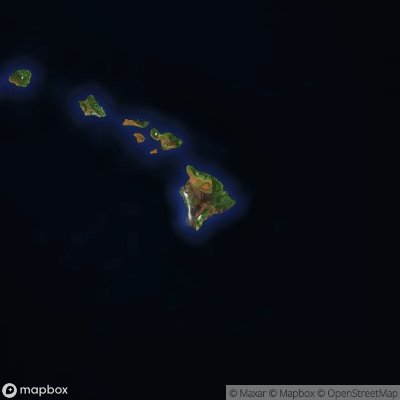
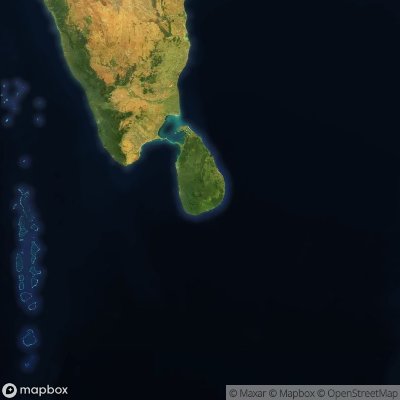
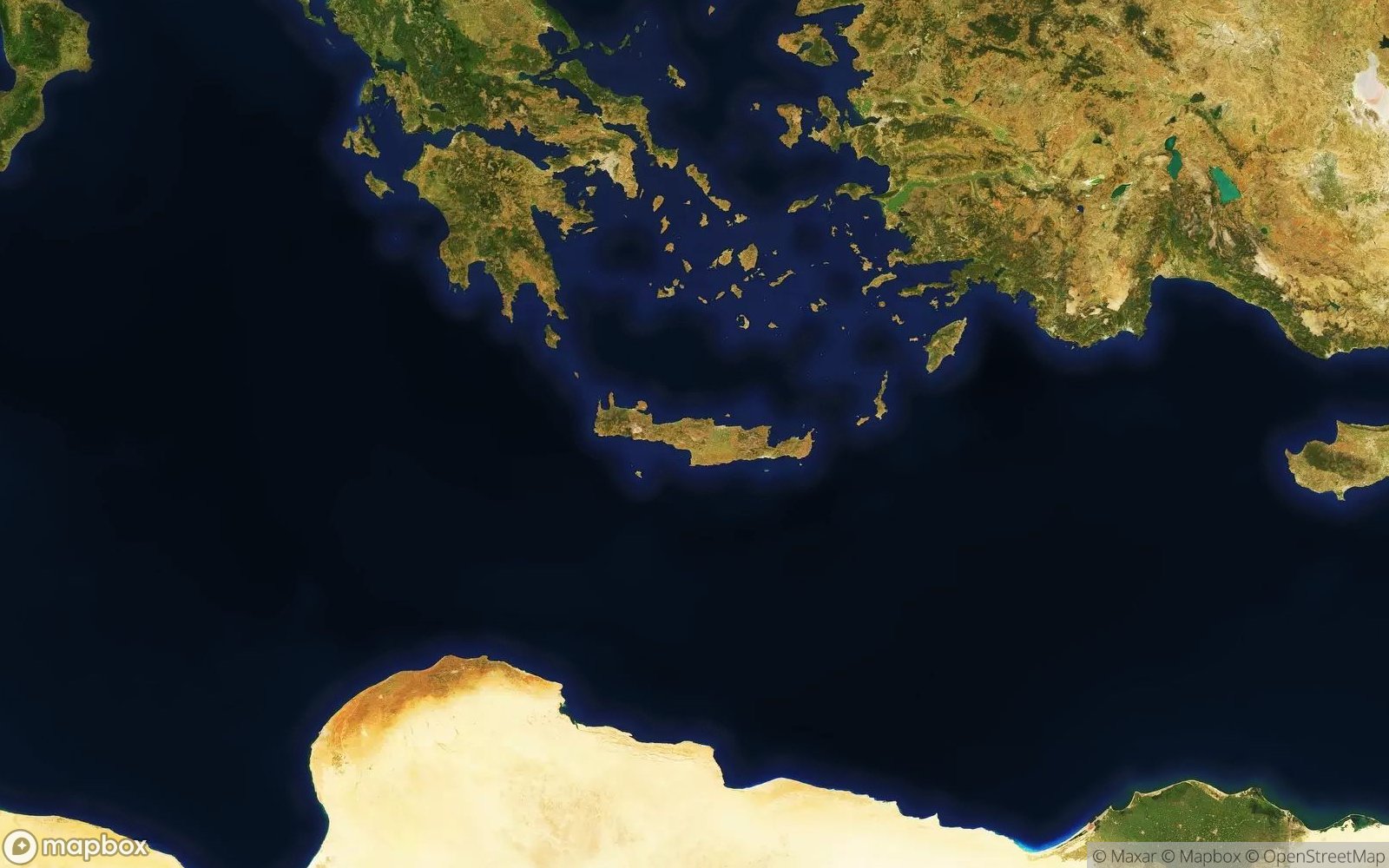
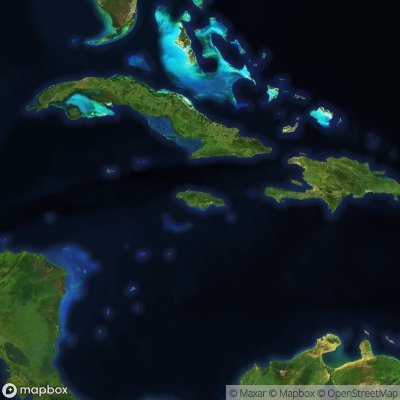
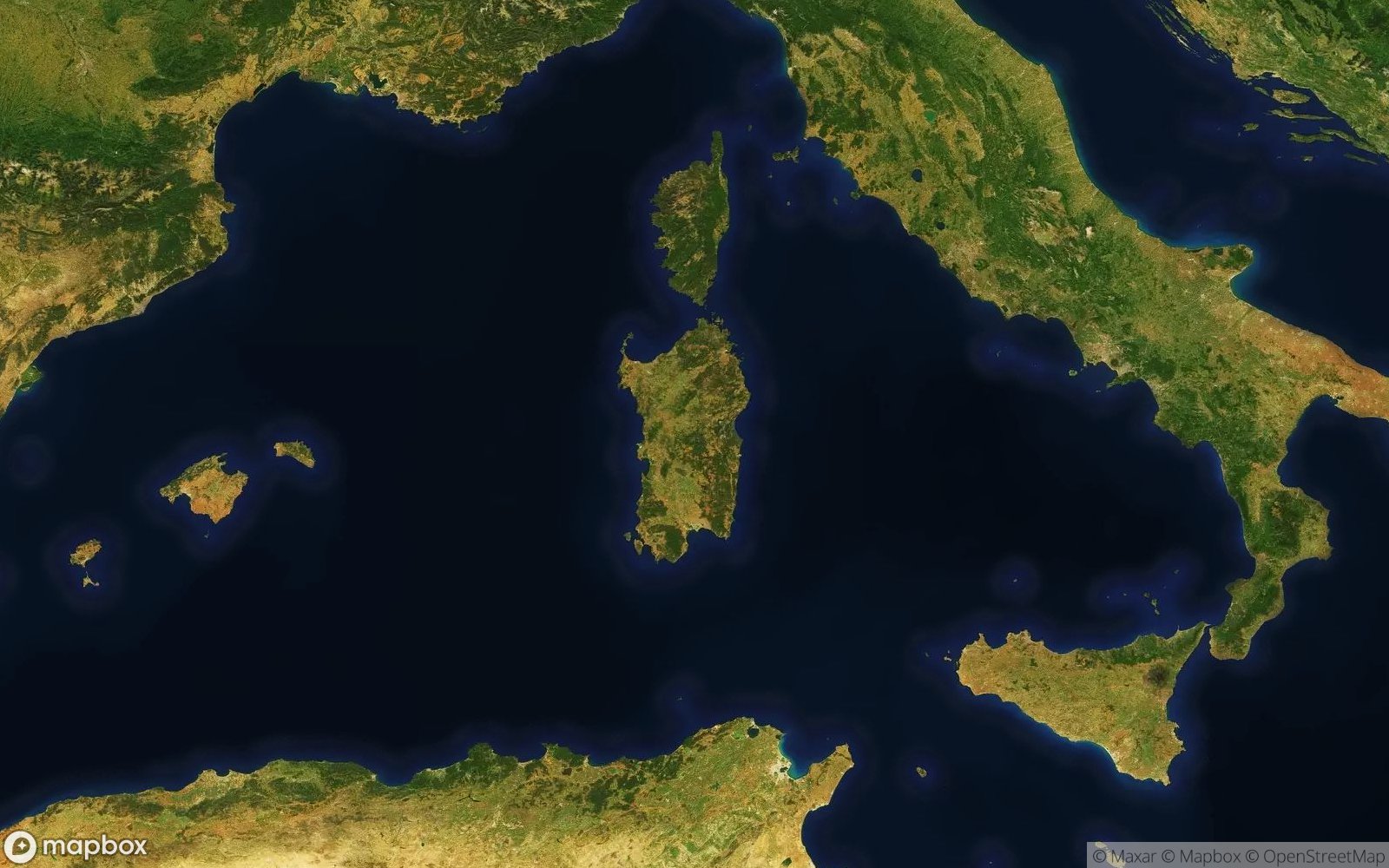
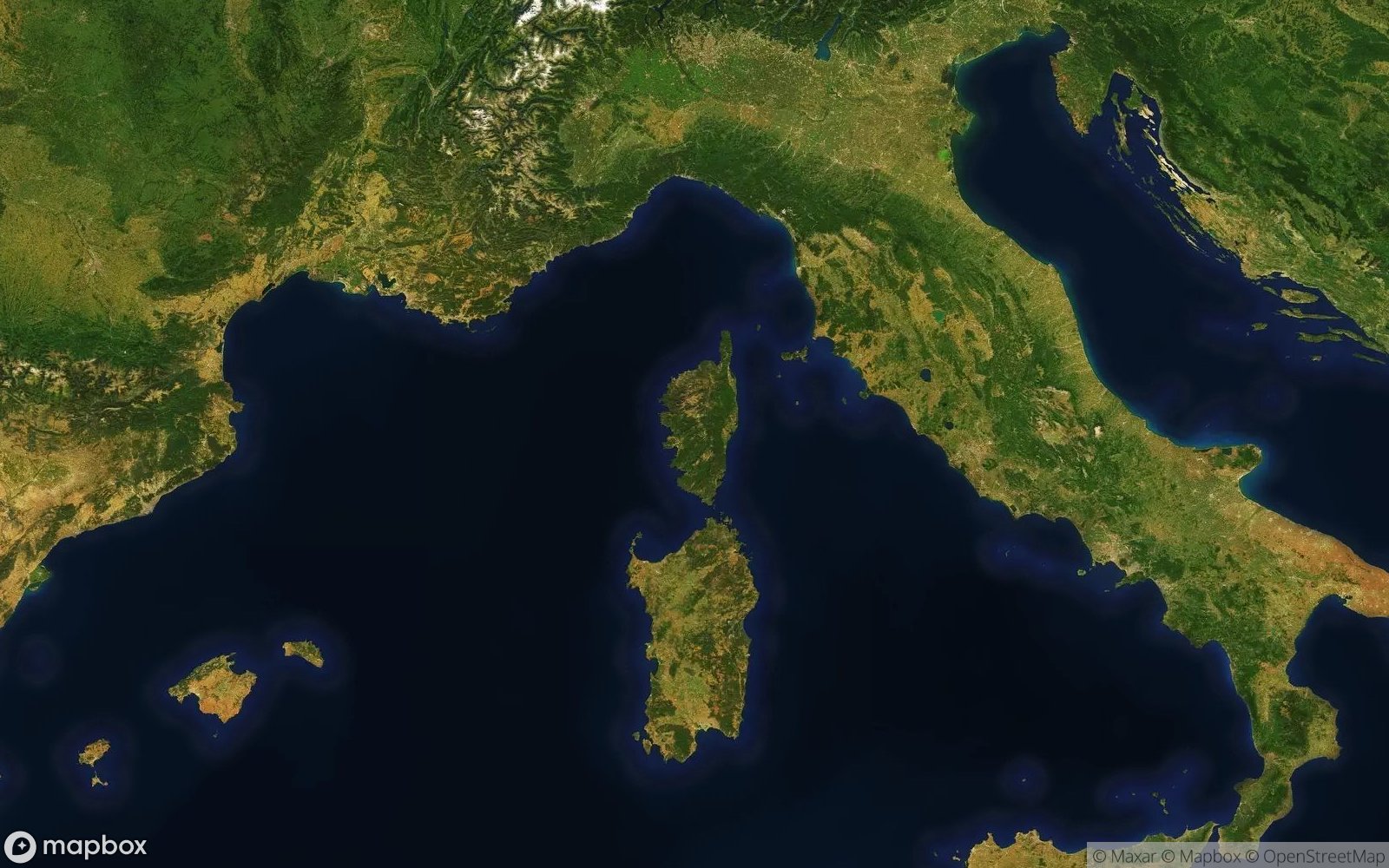
...and many more!
Tips for Identifying Islands
- Study unique shapes: Madagascar's outline, Iceland's glacial features, or coral atoll rings
- Observe vegetation: Dense tropical rainforests vs. sparse arid island vegetation
- Check geological features: Volcanic peaks, lagoons, reefs, or mountainous terrain
- Notice surrounding waters: Turquoise coral reefs, deep ocean blues, or shallow coasts
- Look for human development: Cities, airports, resorts, or pristine uninhabited areas
- Consider geographic context: Pacific, Atlantic, Indian Ocean, Caribbean, or Mediterranean
- Compare island sizes: Large continental islands vs. small oceanic islands
Ready to Test Your Island Knowledge?
Can you identify all the famous islands?
Play Islands Quiz