About Landmarks
Test your world knowledge by identifying famous landmarks and monuments from satellite images. From ancient wonders like the Pyramids to modern marvels like the Sydney Opera House, each landmark has unique features visible from above.
This mode features world-famous landmarks, including UNESCO World Heritage sites, ancient monuments, and iconic modern structures from every continent.
Why Learn Landmarks from Above?
Landmarks represent humanity's greatest architectural and cultural achievements, from ancient wonders that survived millennia to modern marvels pushing engineering boundaries. Learning to recognize them from satellite view reveals their relationship with surrounding geography and urban planning. The Great Pyramid's desert isolation contrasts dramatically with the Eiffel Tower's integration into Paris' urban fabric, while the Sydney Opera House's harbor setting shows how architecture can complement natural beauty.
Understanding landmarks from above teaches cultural geography and historical significance. You'll recognize preservation efforts: UNESCO World Heritage sites often show limited modern development nearby, buffer zones protecting ancient structures. Scale becomes apparent—the Vatican's compact density versus sprawling temple complexes like Angkor Wat. You'll see how landmarks anchor tourism infrastructure: hotels, parking, access roads revealing their economic impact on regions.
This knowledge broadens cultural appreciation and geographic literacy. Landmarks connect to broader stories: the Acropolis reveals ancient Greek urban planning, the Forbidden City shows imperial Chinese organization, while modern structures like Burj Khalifa demonstrate contemporary ambition. Whether studying architecture, history, or planning a trip, satellite landmark recognition enhances understanding of how humanity leaves permanent marks on our planet.
What You'll Discover
Examining landmarks from satellite imagery reveals distinctive characteristics invisible from ground level. Ancient monuments show their true scale and layout: the Colosseum's perfect oval, the Pyramids' precise alignment to cardinal directions, or Stonehenge's circular arrangement. Religious structures display symbolic geometry: the cruciform shape of cathedrals, mosques' symmetrical courtyards, or temple complexes' mandala patterns. Modern landmarks reveal engineering innovation: the Sydney Opera House's shell cross-sections, Dubai towers' unique geometries, or the Guggenheim Bilbao's titanium curves.
Surrounding context tells stories: the Great Wall snaking across mountain ridges, Christ the Redeemer's mountaintop isolation providing Rio views, or how Venice's Piazza San Marco integrates canal, basilica, and pal ace. Preservation zones appear as open spaces around monuments, while tourist infrastructure creates recognizable patterns of parking and facilities.
Geographic settings shape landmarks: coastal lighthouses, desert monuments, mountain monasteries, or river-spanning bridges. Some reveal expansion: castles with added defensive walls, palaces with extended gardens, or ancient sites with modern visitor centers carefully separated to preserve authenticity.
Featured Landmarks
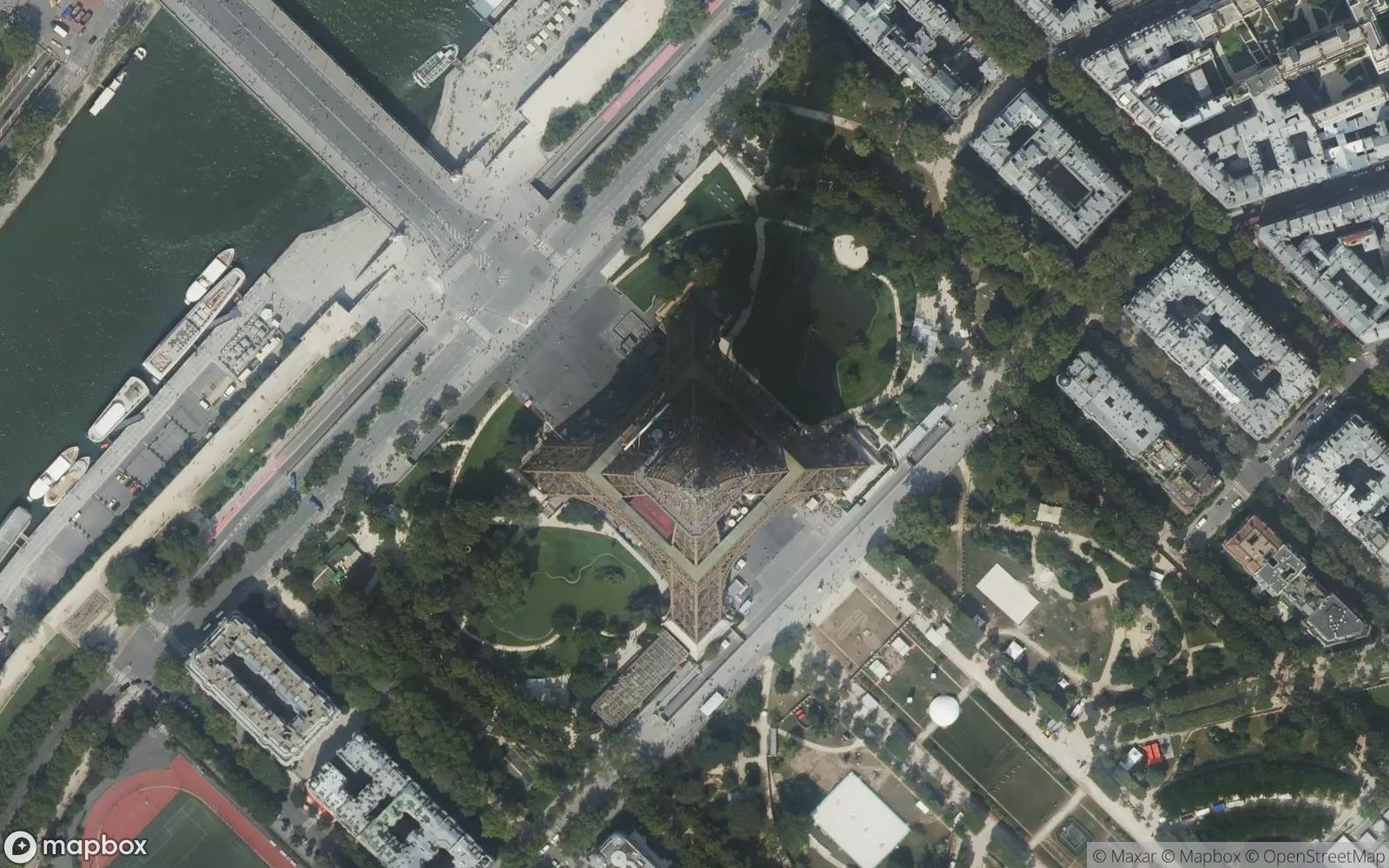
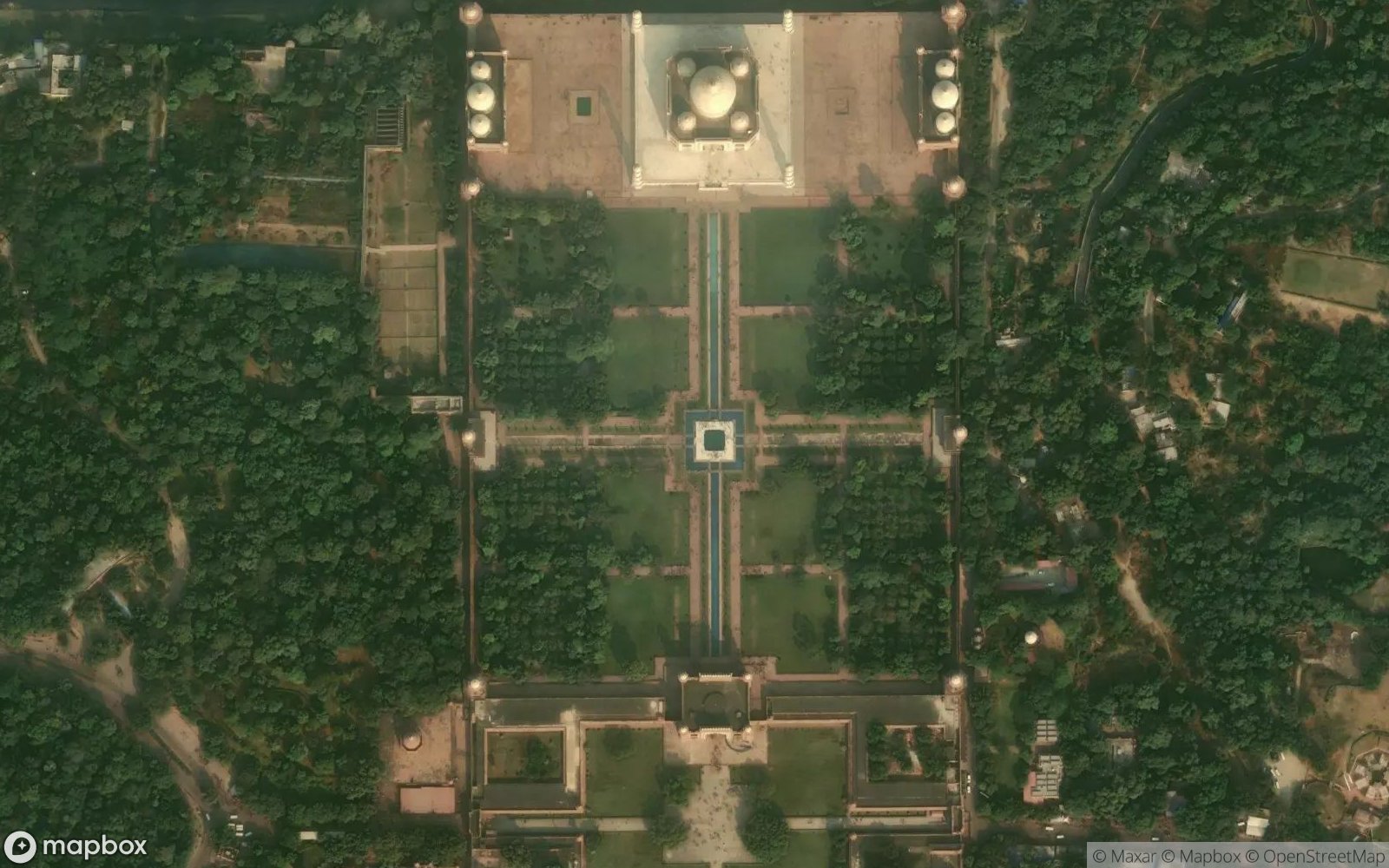
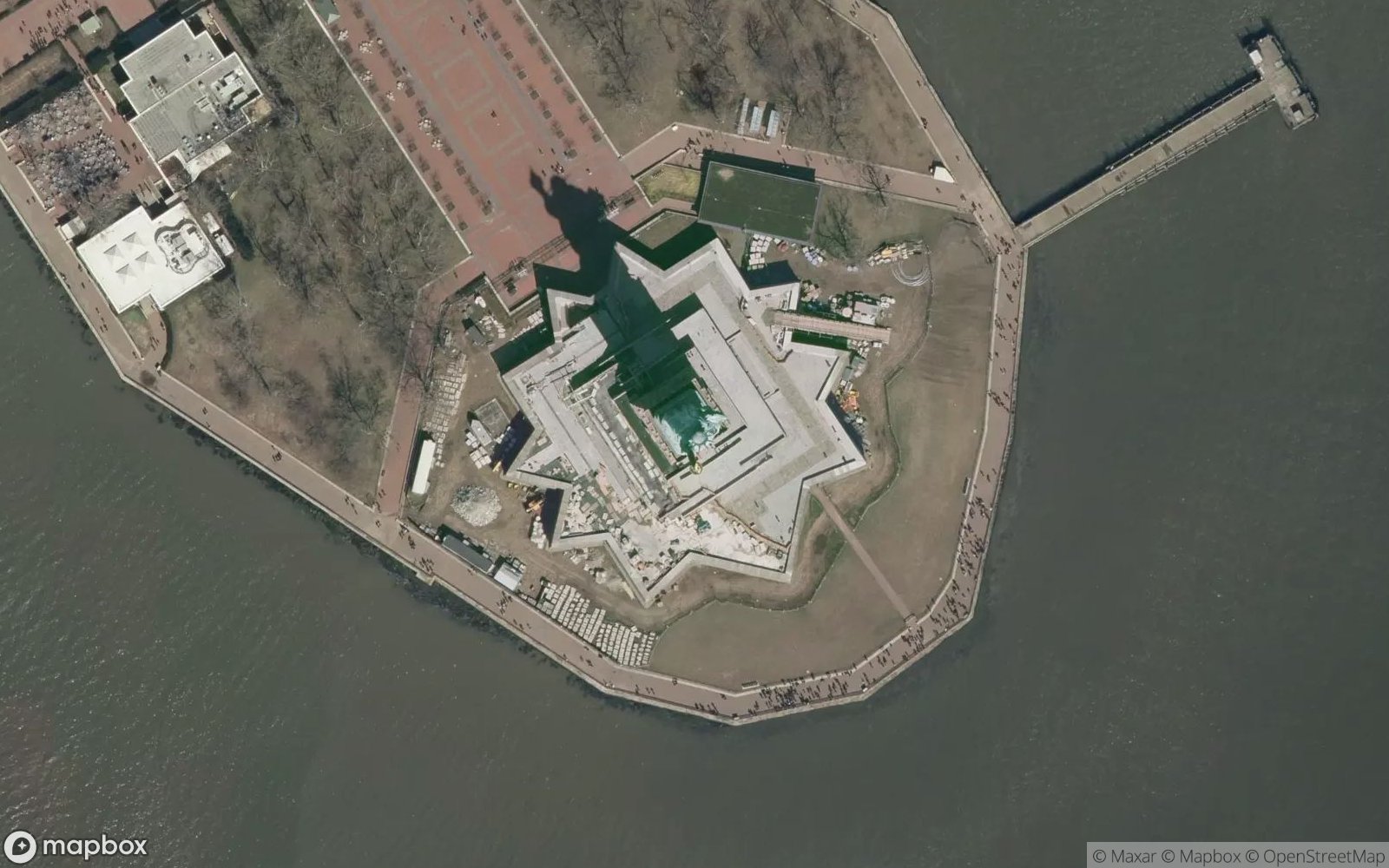
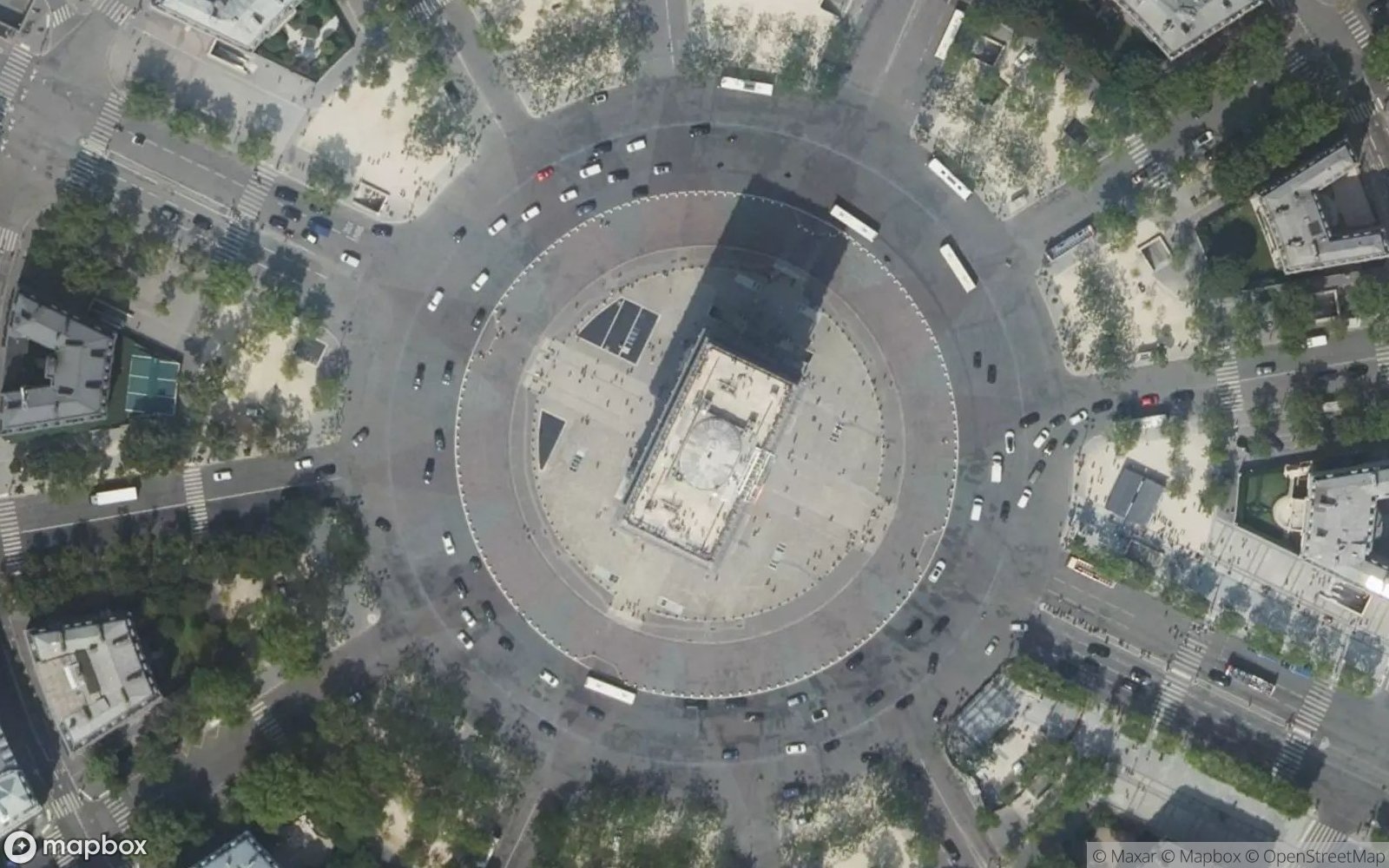
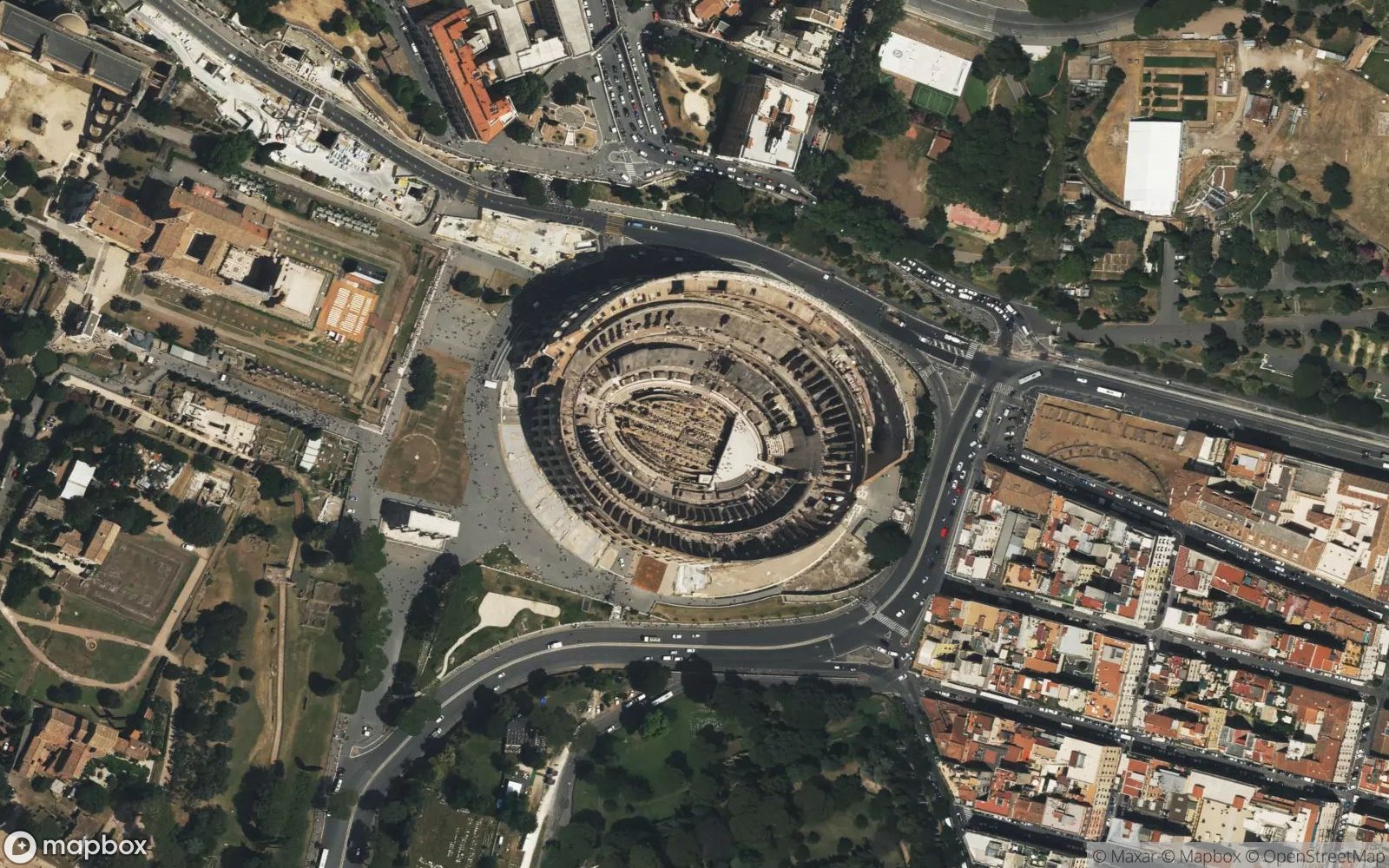
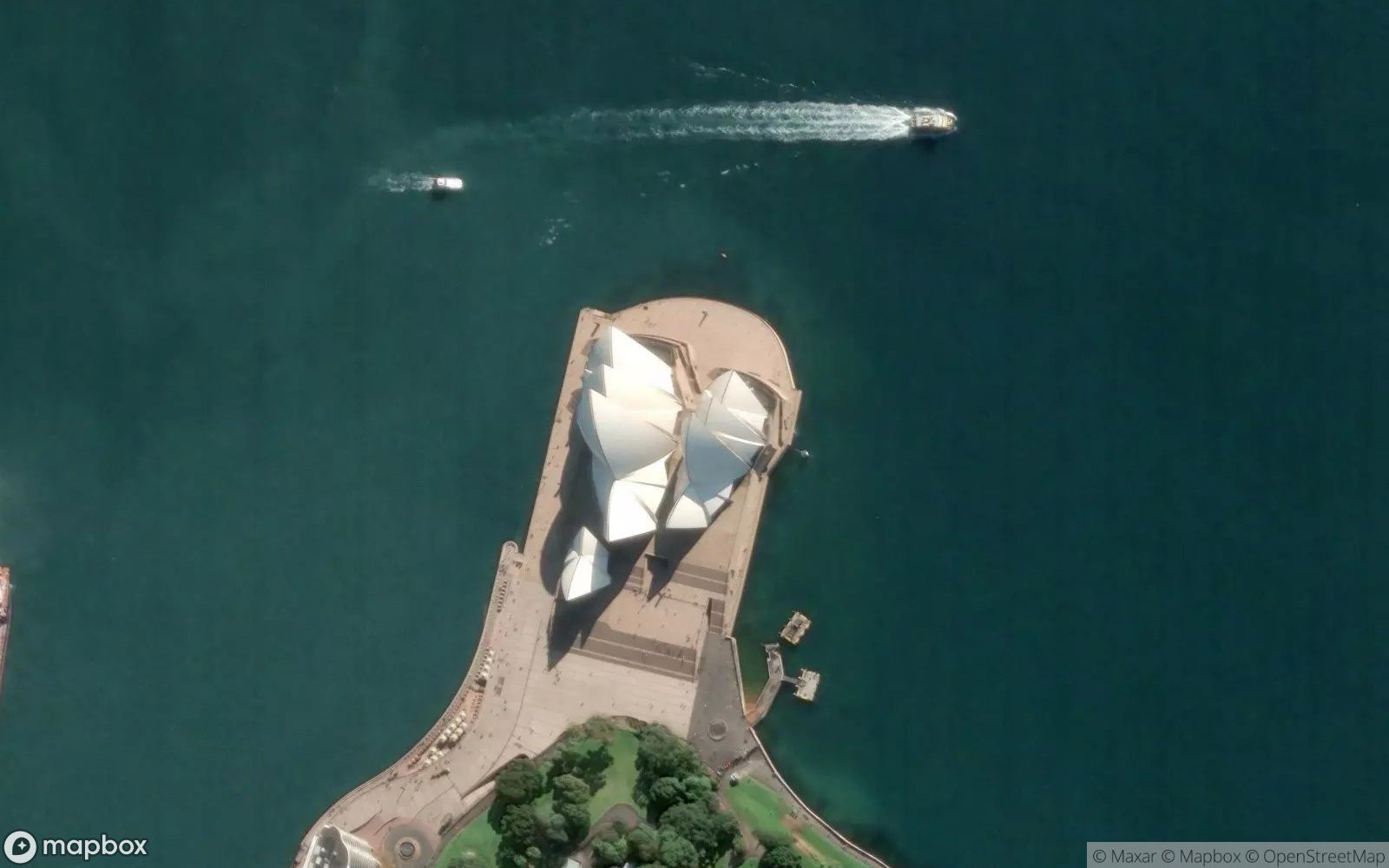
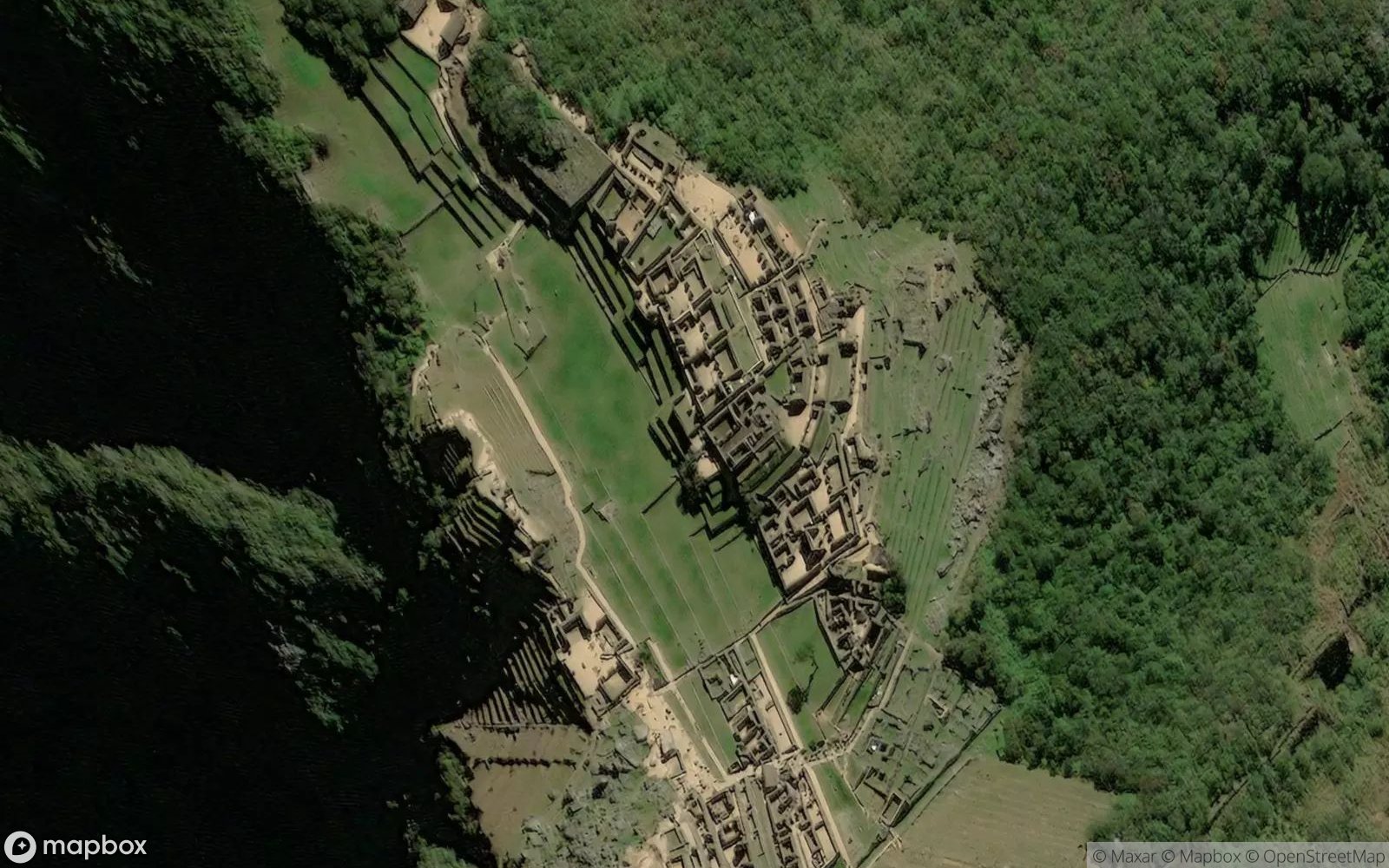
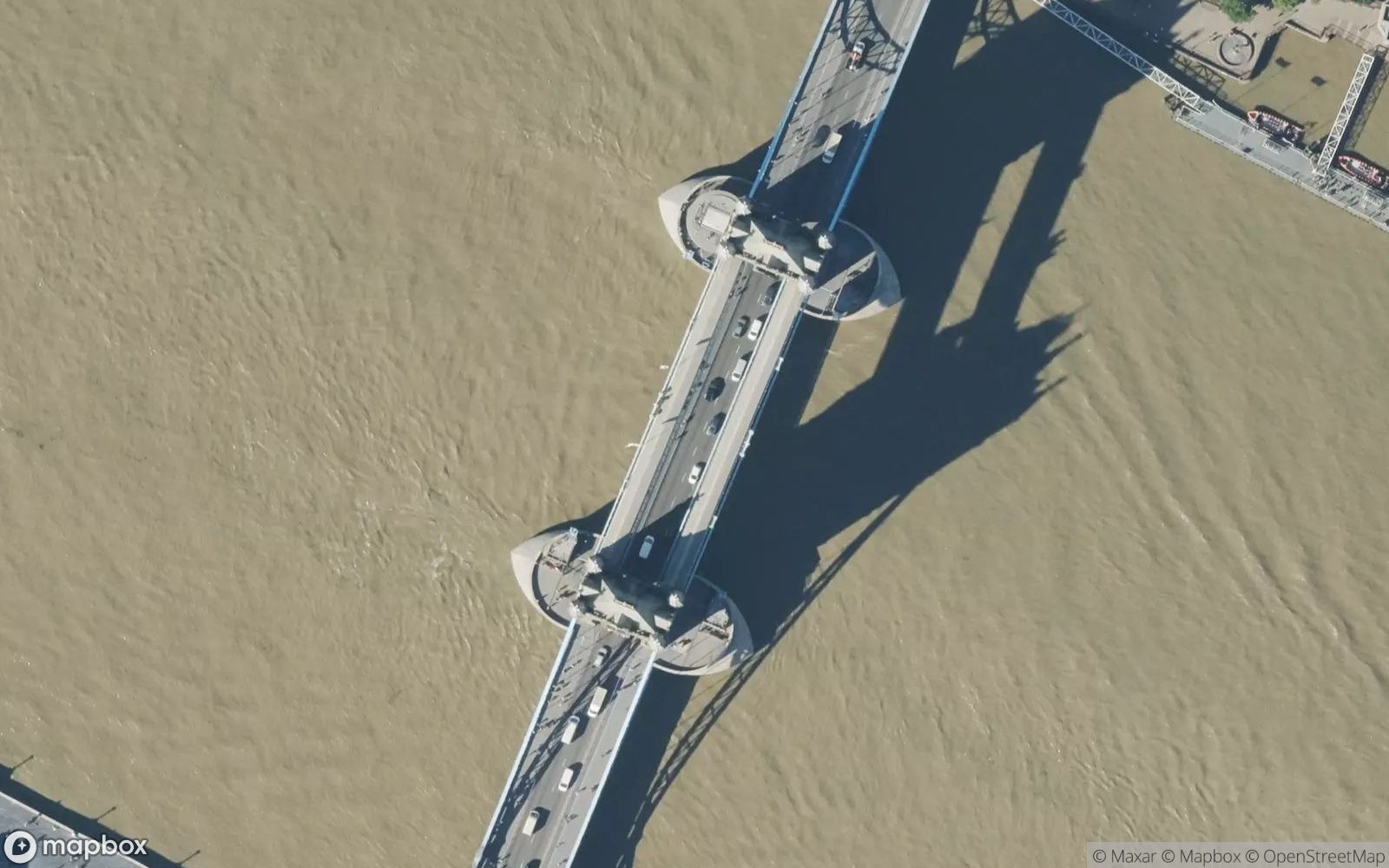
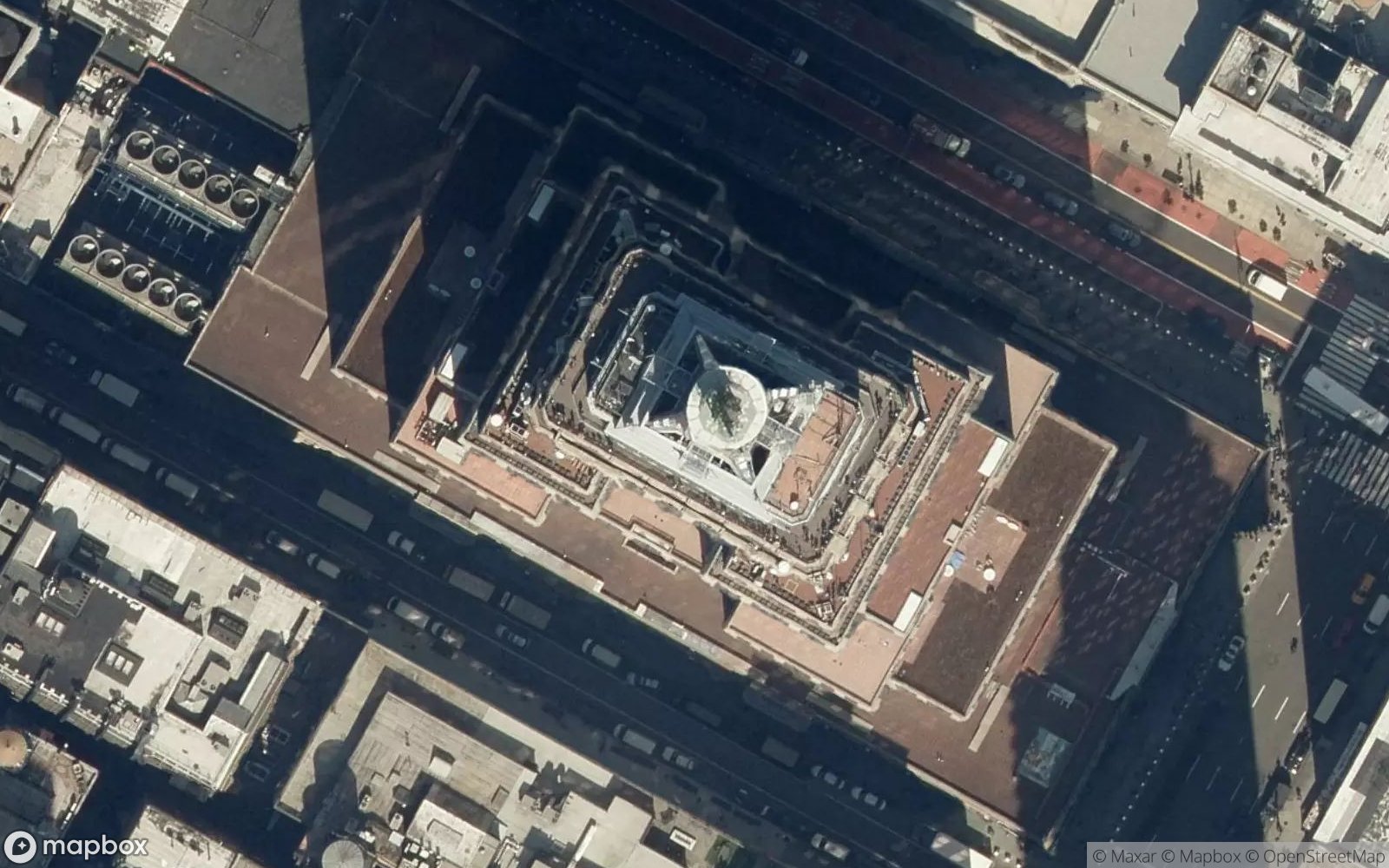
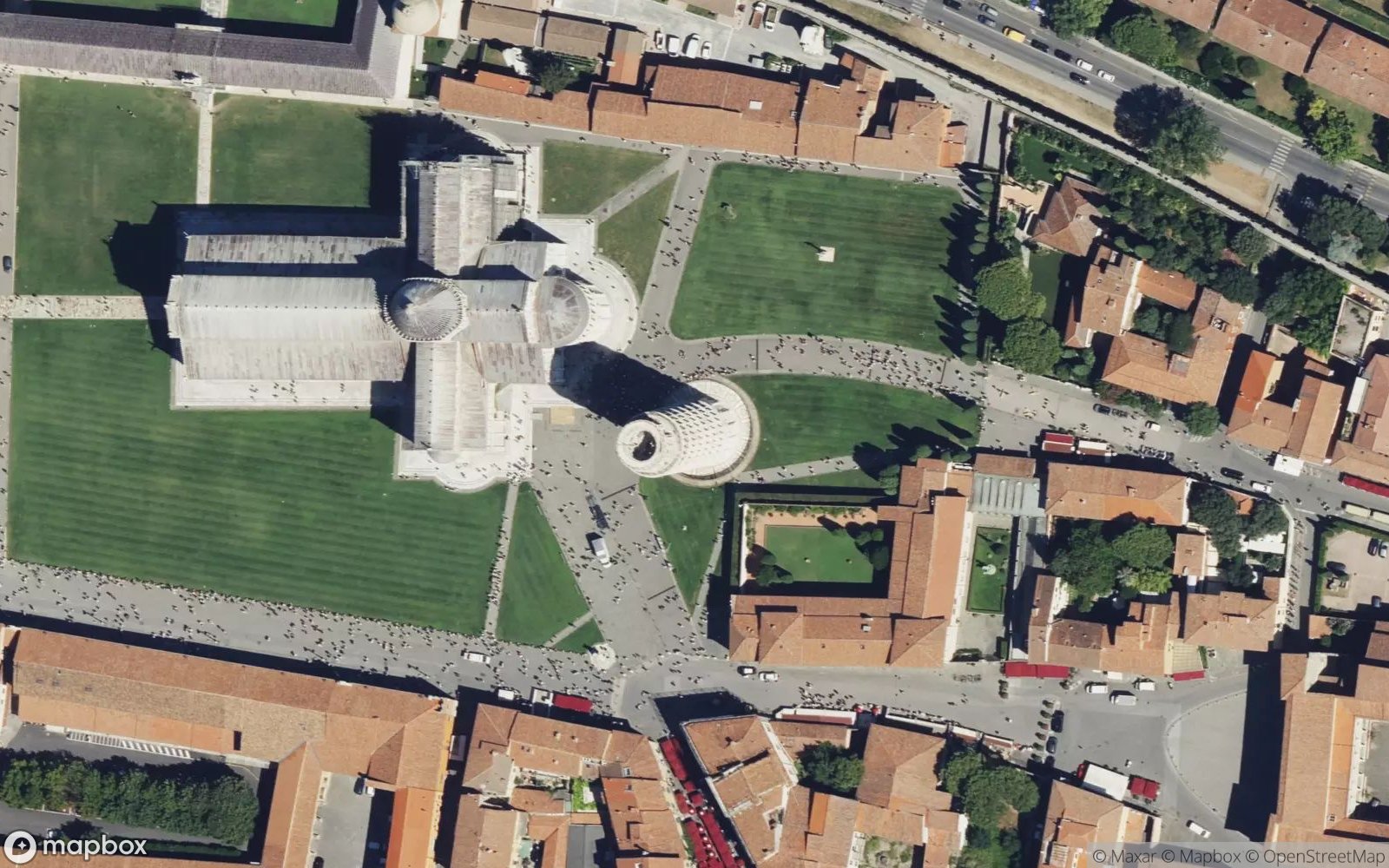
...and many more!
Tips for Identifying Landmarks
- Look at the shape: Unique architectural designs are often visible from above
- Check the surroundings: Parks, water features, or urban settings provide context
- Observe the scale: Compare landmark size with nearby buildings and streets
- Notice the shadow: Tall structures cast distinctive shadows that reveal their form
- Look for symmetry: Many famous landmarks have symmetrical designs
- Check nearby features: Rivers, coastlines, or other recognizable landmarks
- Observe the context: Historical sites often have protective zones or parks around them
Ready to Test Your World Knowledge?
Can you identify all the world-famous landmarks?
Play Landmarks Quiz