About Racing Circuits
Test your motorsport knowledge by identifying famous Formula 1, MotoGP, and racing circuits from satellite images. From the legendary Monza to the challenging Spa-Francorchamps, each circuit has unique corner configurations and features visible from above.
This mode features world-famous racing circuits, including historic F1 tracks, modern street circuits, and iconic endurance racing venues.
Why Learn Racing Circuits from Above?
Racing circuits represent the pinnacle of motorsport engineering and design. Each track tells a unique story of automotive history, from the ancient banked curves of Monza built in 1922 to the modern street circuits of Singapore and Monaco that transform city streets into racing venues. Learning to identify these circuits develops an understanding of how geography, safety regulations, and racing traditions shape track design.
Understanding racing circuits from satellite view reveals how tracks balance speed, safety, and spectacle. You'll recognize design evolution: the gradual addition of chicanes at Monza to reduce speeds, Silverstone's transformation from World War II airfield runways to purpose-built facilities, or how Spa-Francorchamps maintains its legendary Eau Rouge corner despite modern safety demands. These changes reflect decades of motorsport innovation and tragedy that shaped current racing standards.
This knowledge enhances appreciation for F1, MotoGP, and endurance racing. You'll understand why certain circuits favor specific teams, how track characteristics affect race strategy, and why legendary venues like the Nordschleife or Monaco maintain special status despite not meeting modern safety criteria. Whether you're a motorsport enthusiast or geography student, circuit recognition connects engineering, geography, and sporting heritage.
What You'll Discover
Examining racing circuits from above reveals distinctive layouts and features. Track configurations vary from Monza's high-speed ovals with minimal corners to Monaco's tight street circuit with 19 turns in 3.3 kilometers, or Spa-Francorchamps extending 7 kilometers through Belgian forests with dramatic elevation changes. Permanent circuits show purpose-built facilities like expansive run-off areas, while street circuits reveal how barriers and temporary grandstands transform public roads.
Signature corners become identifiable: Suzuka's famous figure-eight crossover, Silverstone's high-speed Maggotts-Becketts complex, or Circuit of the Americas' distinctive opening sector mimicking Istanbul's Turn 8. Pit lane arrangements tell stories—long straights favor overtaking opportunities, while pit entry/exit placement affects race strategy and safety.
Surrounding geography shapes circuit character. Spa sits in Ardennes forests where weather changes rapidly, Suzuka's location requires typhoon considerations, while desert circuits like Bahrain or Abu Dhabi show engineering conquering harsh climates. Historical circuits often reveal their origins: many began as airfield runways (Silverstone, Hockenheim) or public road races (Circuit de la Sarthe), their satellite views showing how racing infrastructure evolved from improvised beginnings to modern facilities.
Featured Racing Circuits
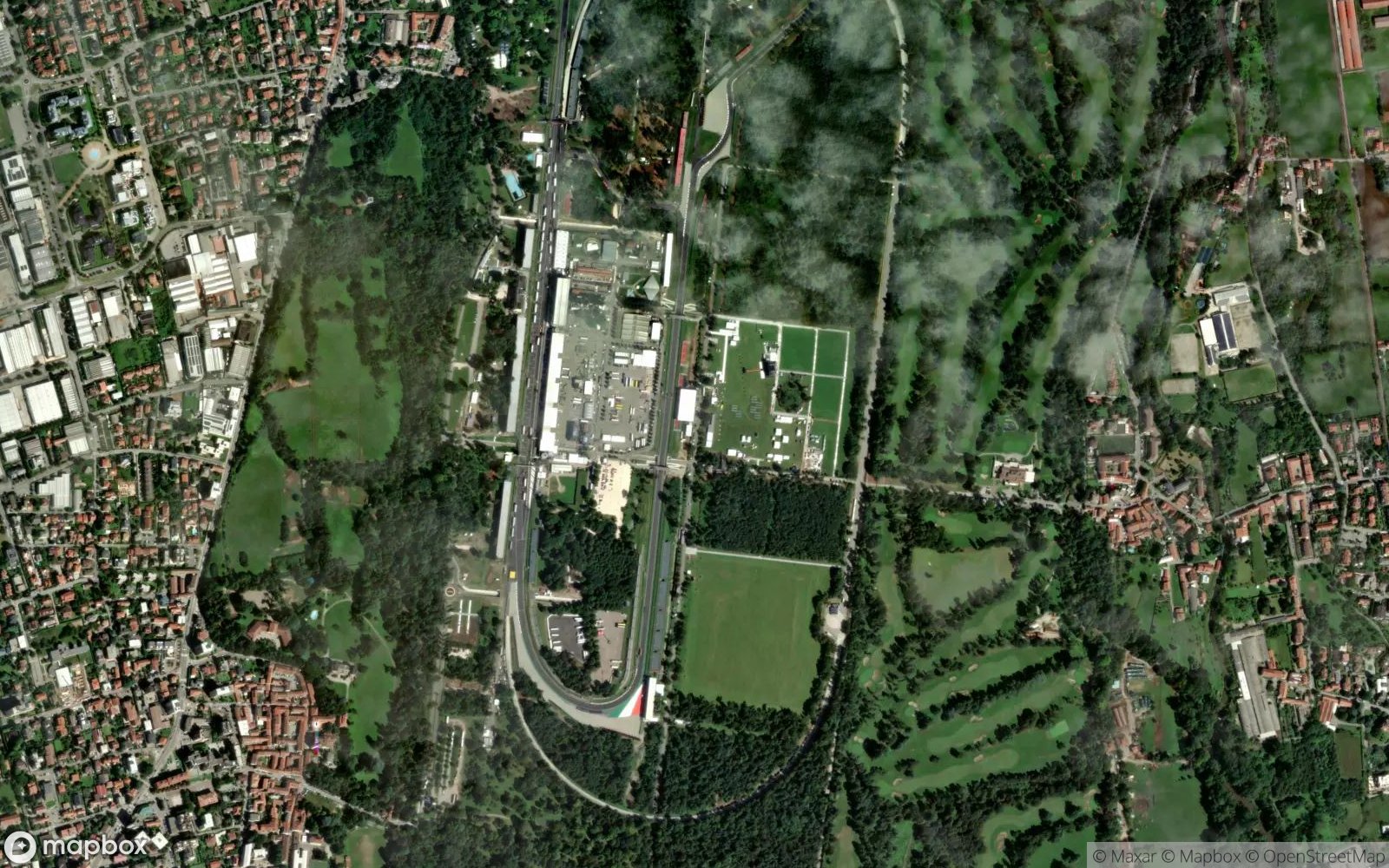
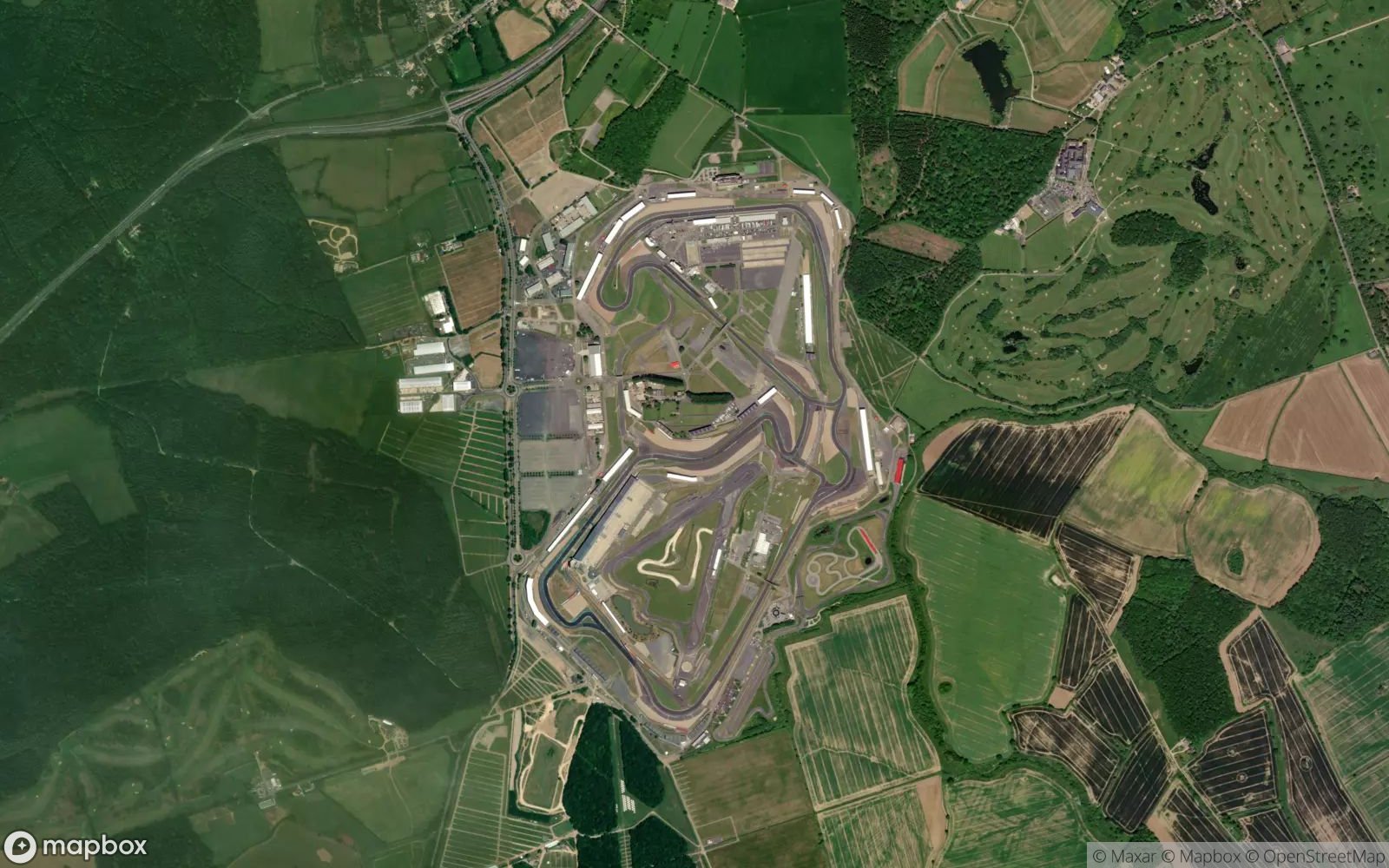
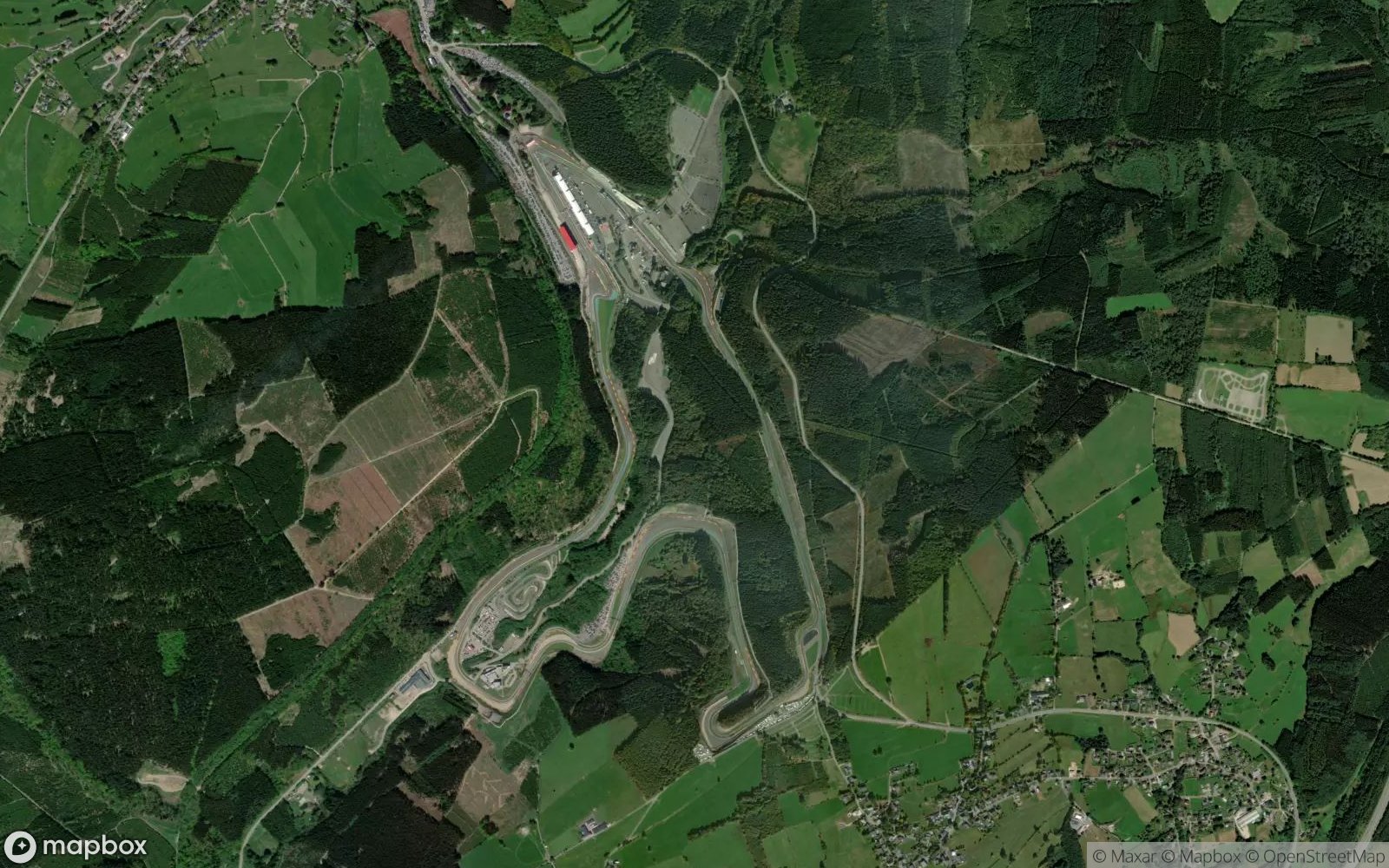
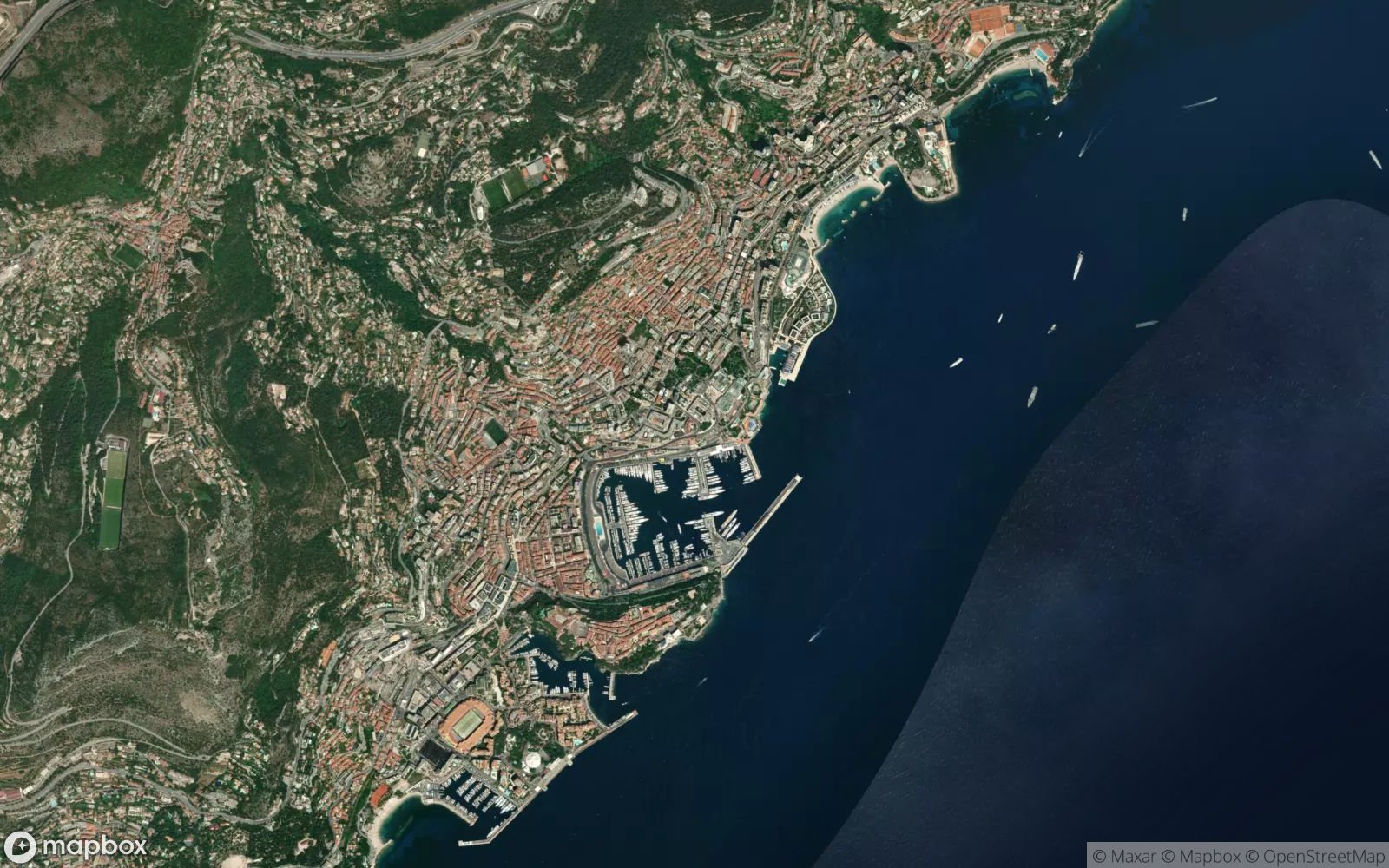
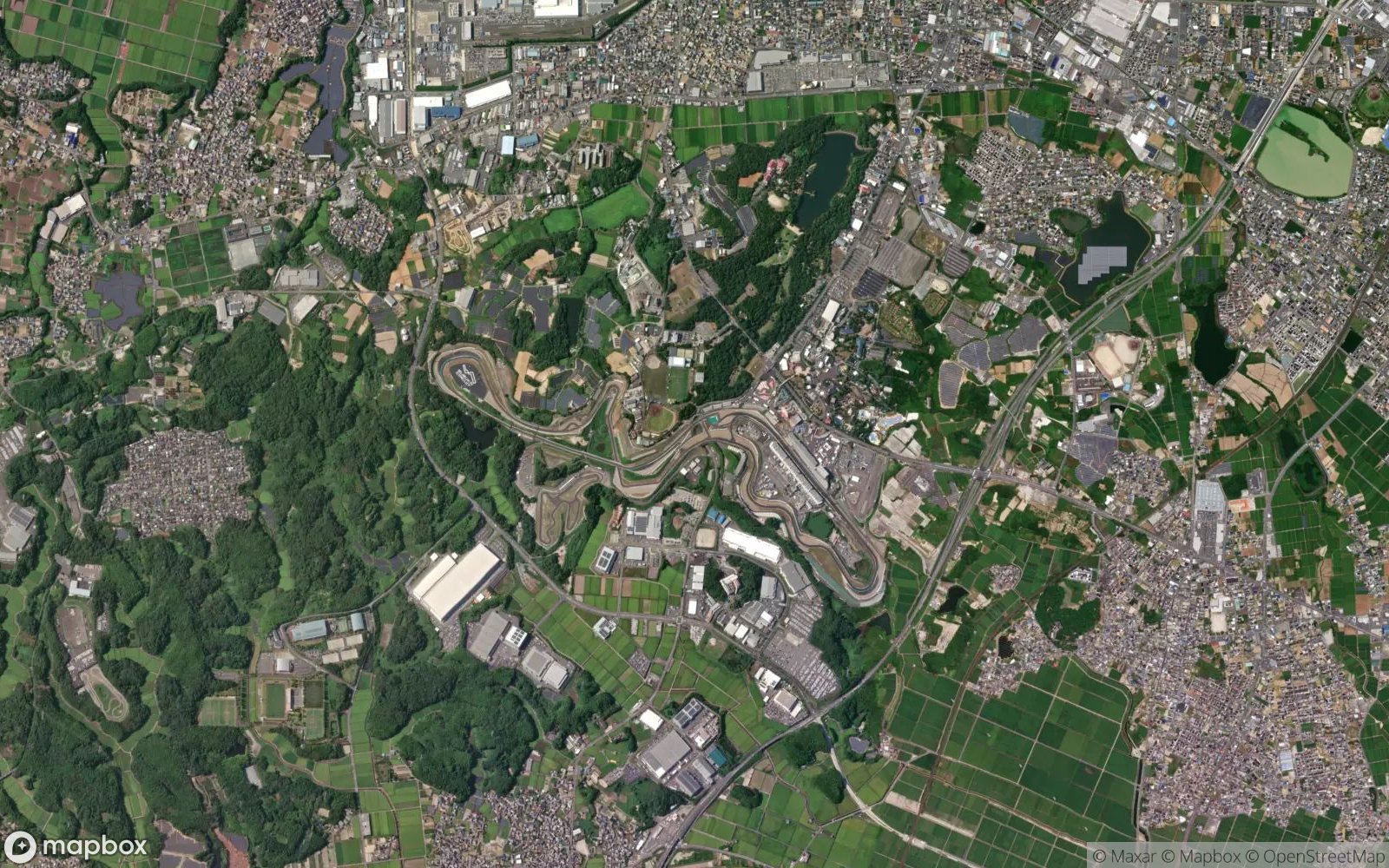
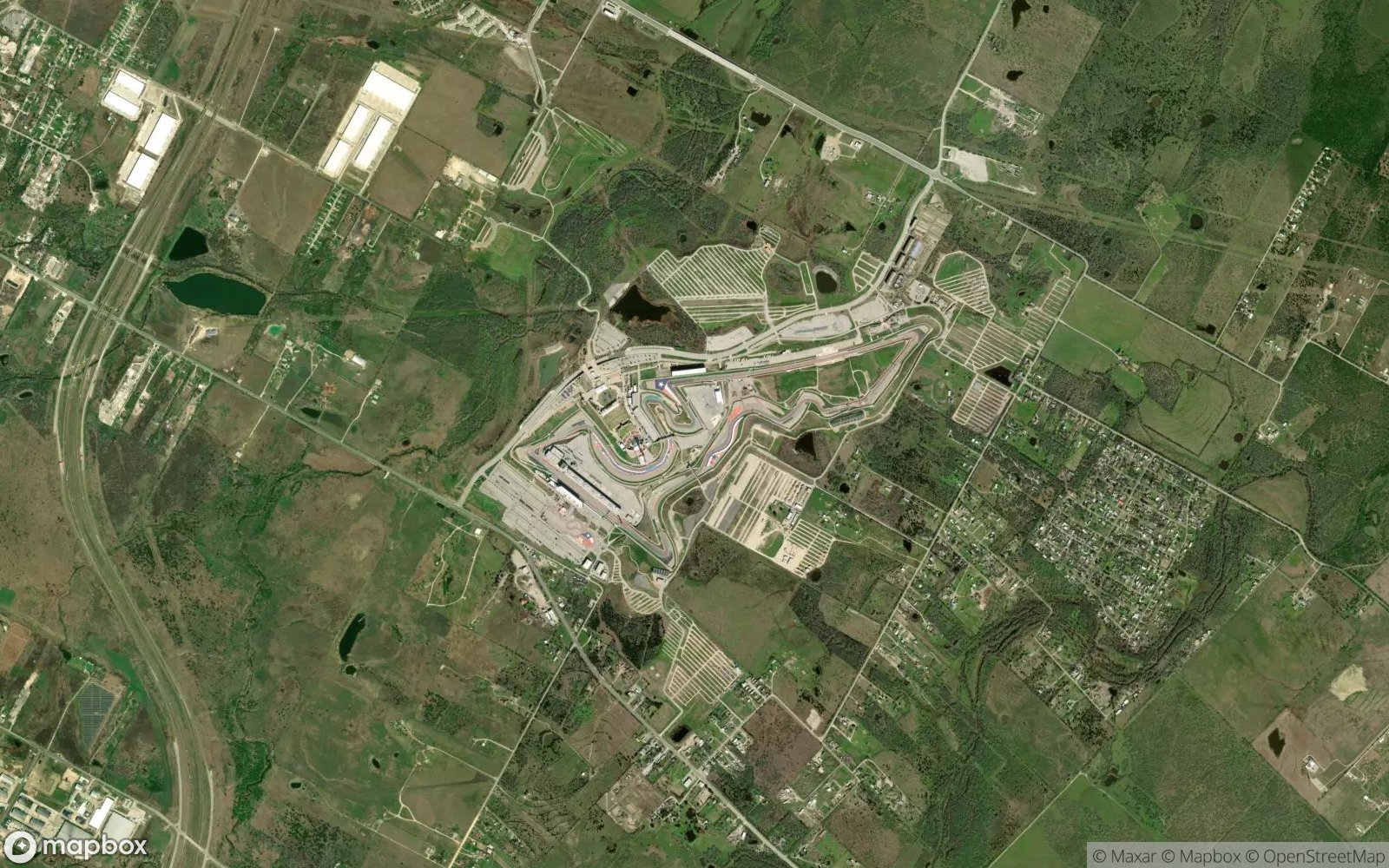
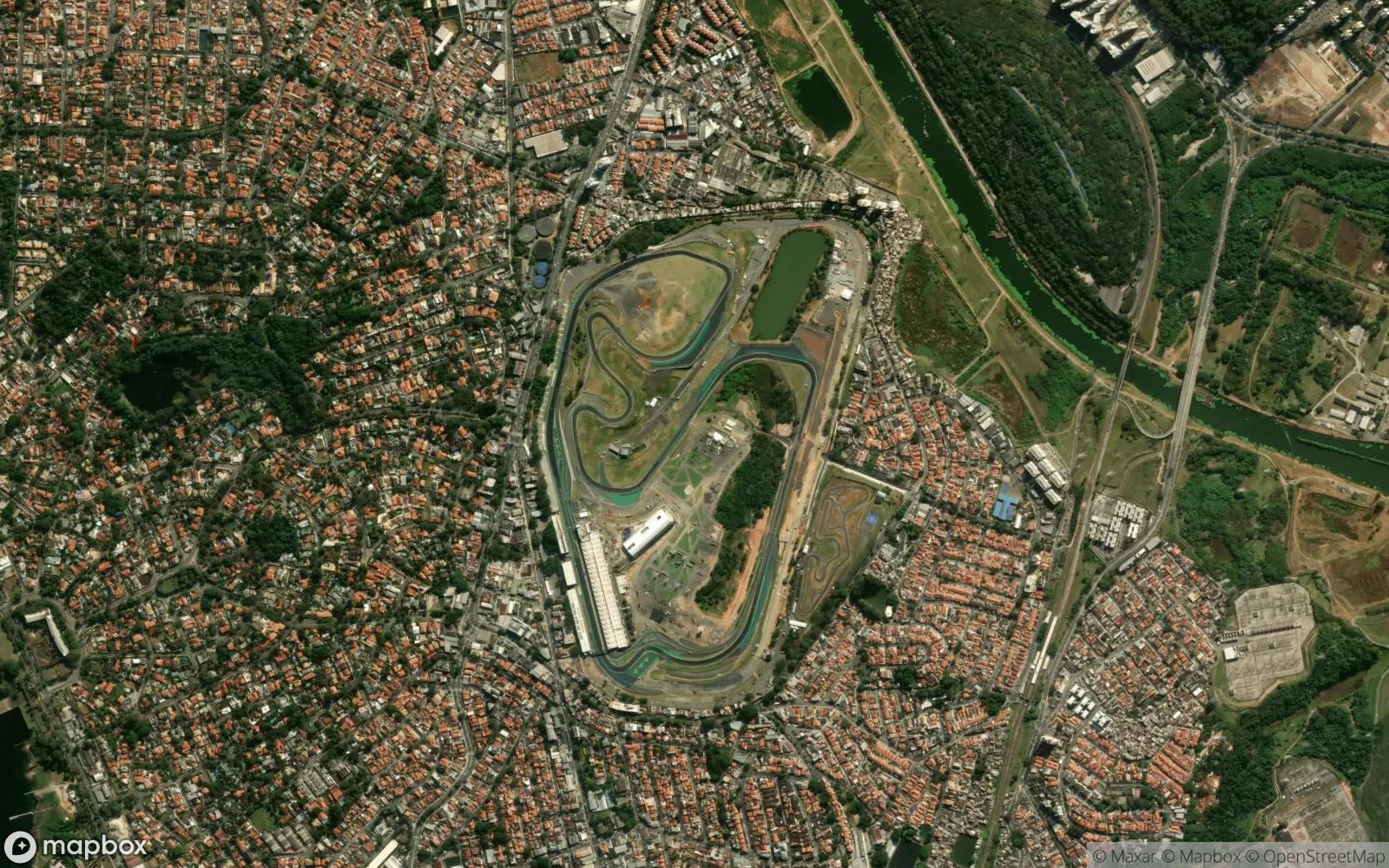
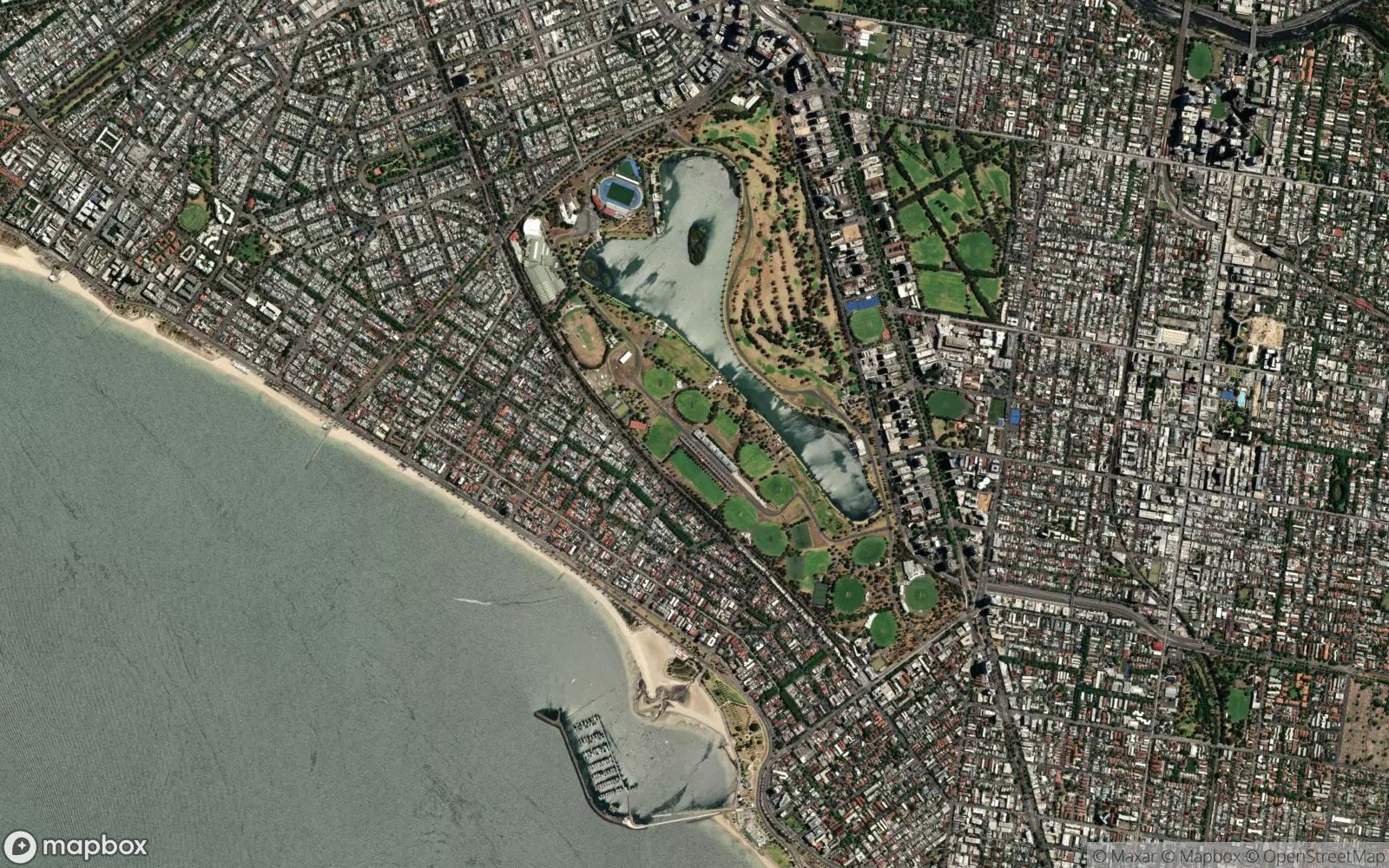
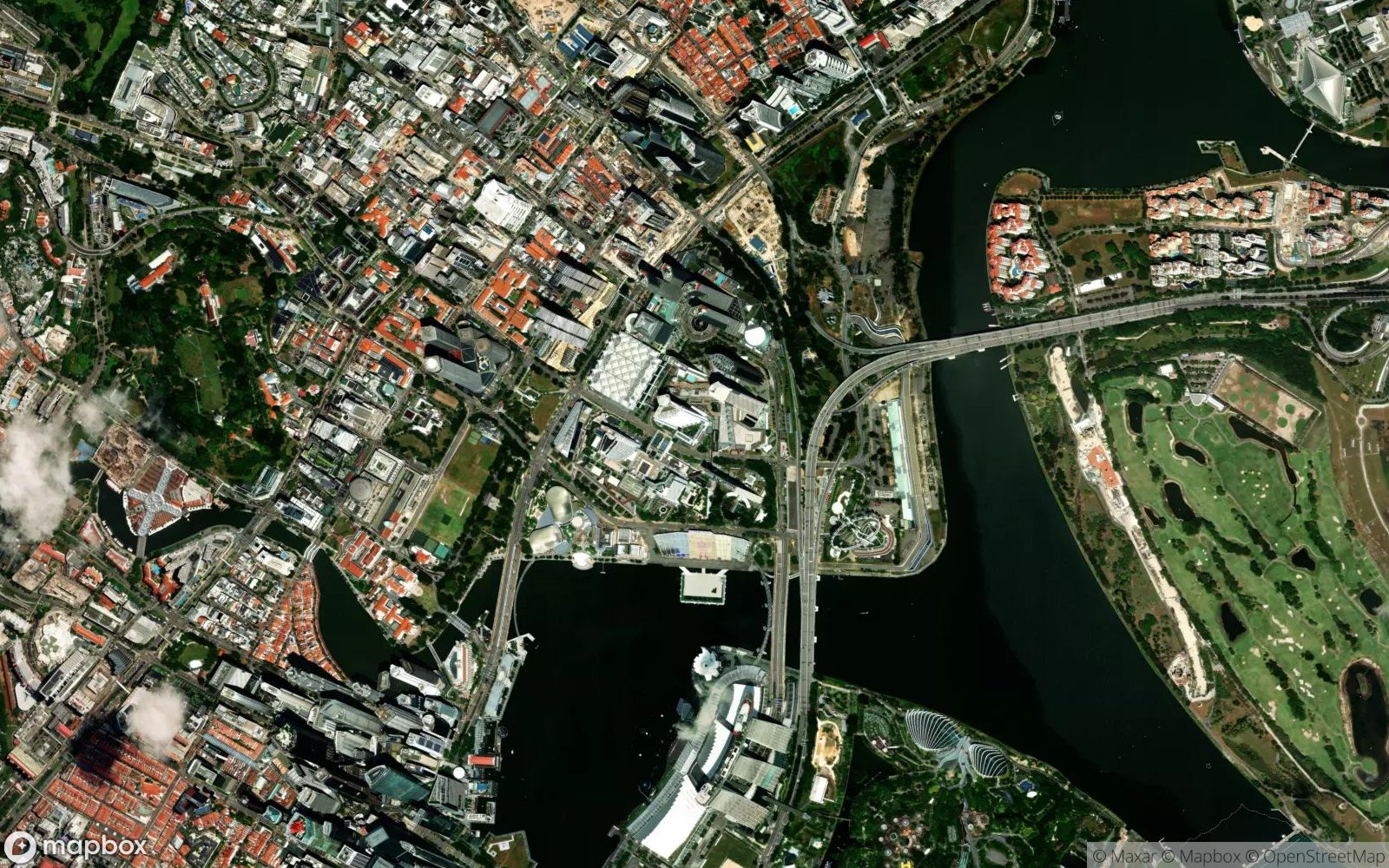
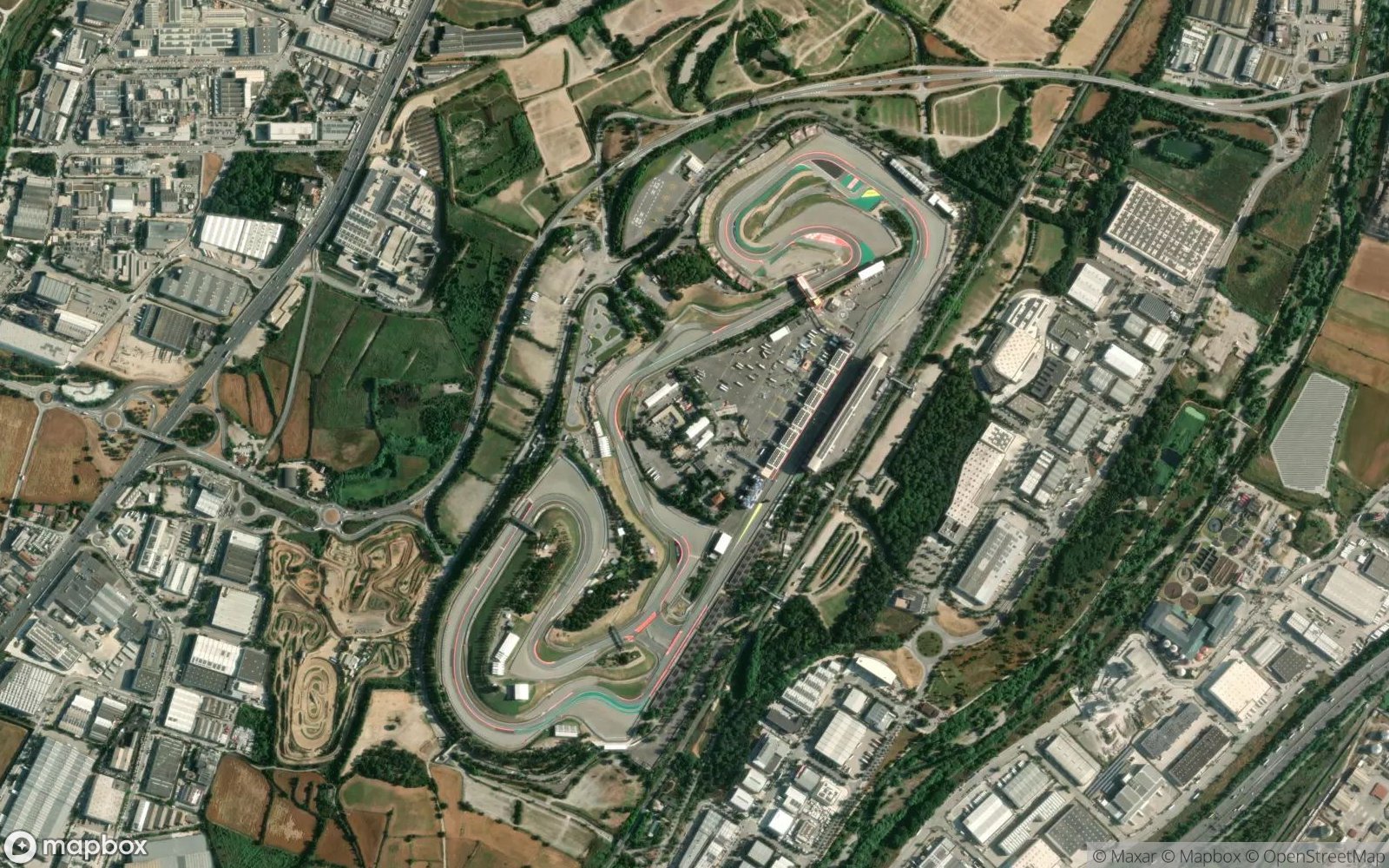
...and many more!
Tips for Identifying Racing Circuits
- Look for distinctive layouts: Each circuit has unique corner combinations and straight sections
- Check the location: Urban street circuits vs. permanent race tracks in rural areas
- Observe track features: Elevation changes, chicanes, hairpins, and fast corners
- Notice pit lane placement: Position and length of pit straight and facilities
- Look for grandstands: Main grandstand locations and spectator areas
- Check surrounding features: Lakes, mountains, cities, or coastal locations
- Identify track length: Short street circuits vs. long traditional race tracks
Ready to Test Your Motorsport Knowledge?
Can you identify all the legendary racing circuits?
Play Racing Circuits Quiz