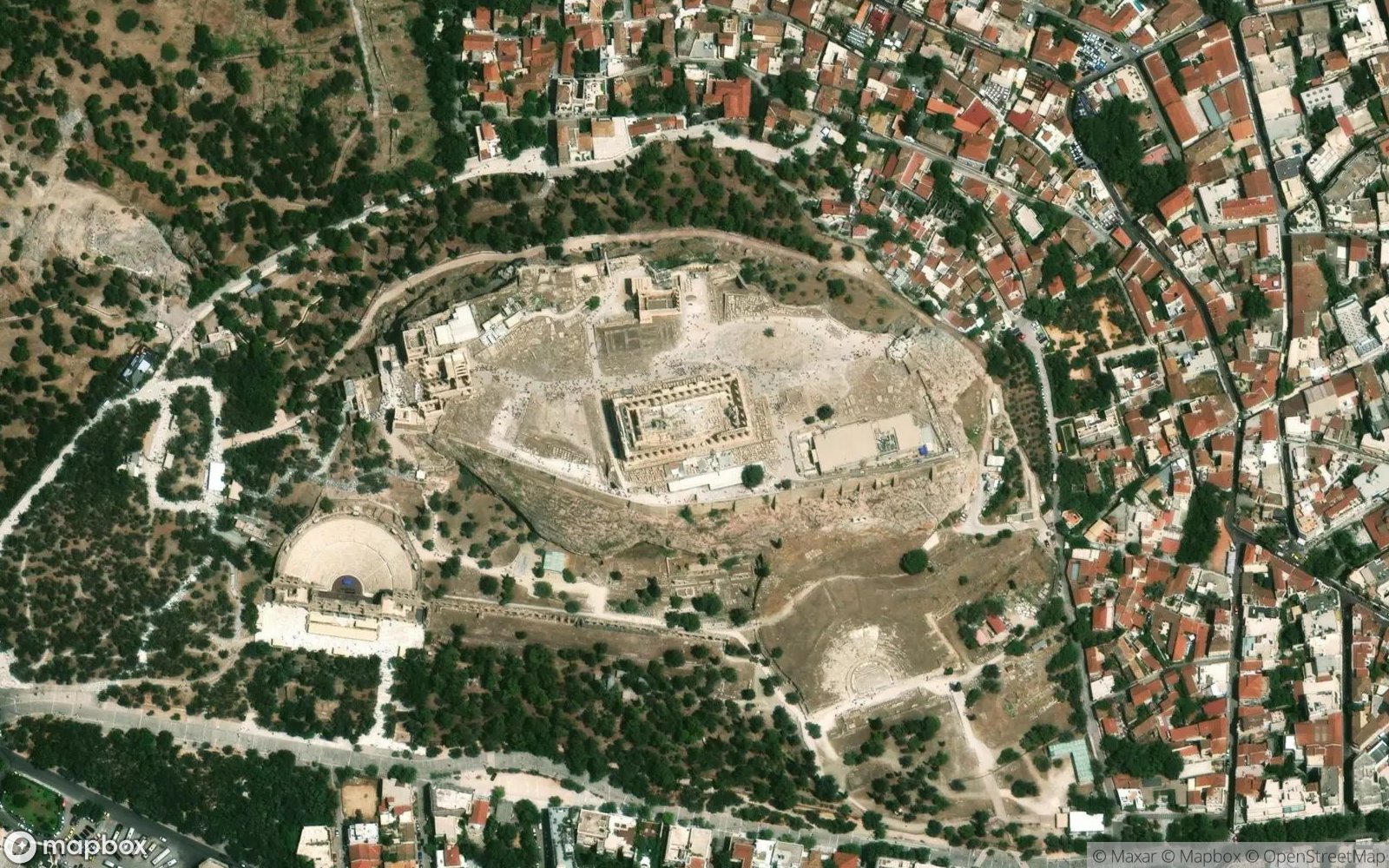
About Acropolis
The Acropolis of Athens is an ancient citadel located on a rocky outcrop above the city of Athens, containing the remains of several ancient buildings of great architectural and historic significance. The most famous being the Parthenon. The word acropolis is from the Greek words ἄκρον (akron, "highest point, extremity") and πόλις (polis, "city"). Although the term acropolis is generic and there are many other acropoleis in Greece, the significance of the Acropolis of Athens is such that it is commonly known as "The Acropolis" without qualification.
During the Golden Age of Athens (460–430 BC), under the leadership of Pericles, an ambitious building program was initiated. The Parthenon, the Propylaea, the Erechtheion, and the Temple of Athena Nike were all constructed during this period. These monuments were dedicated to Athena, the city's patron goddess, and served as both religious centers and treasuries for the Delian League.
The Parthenon itself is regarded as the finest example of Doric architecture. Its decorative sculptures are considered some of the high points of Greek art. Despite centuries of damage from wars, pollution, and misguided renovations, the Acropolis remains a universal symbol of the classical spirit and civilization. Ongoing restoration projects aim to reverse the decay and preserve the marble structures for future generations.
Play Landmarks Quiz 📖 Read More 🗺️ Google Maps 📘 Landmarks Guide