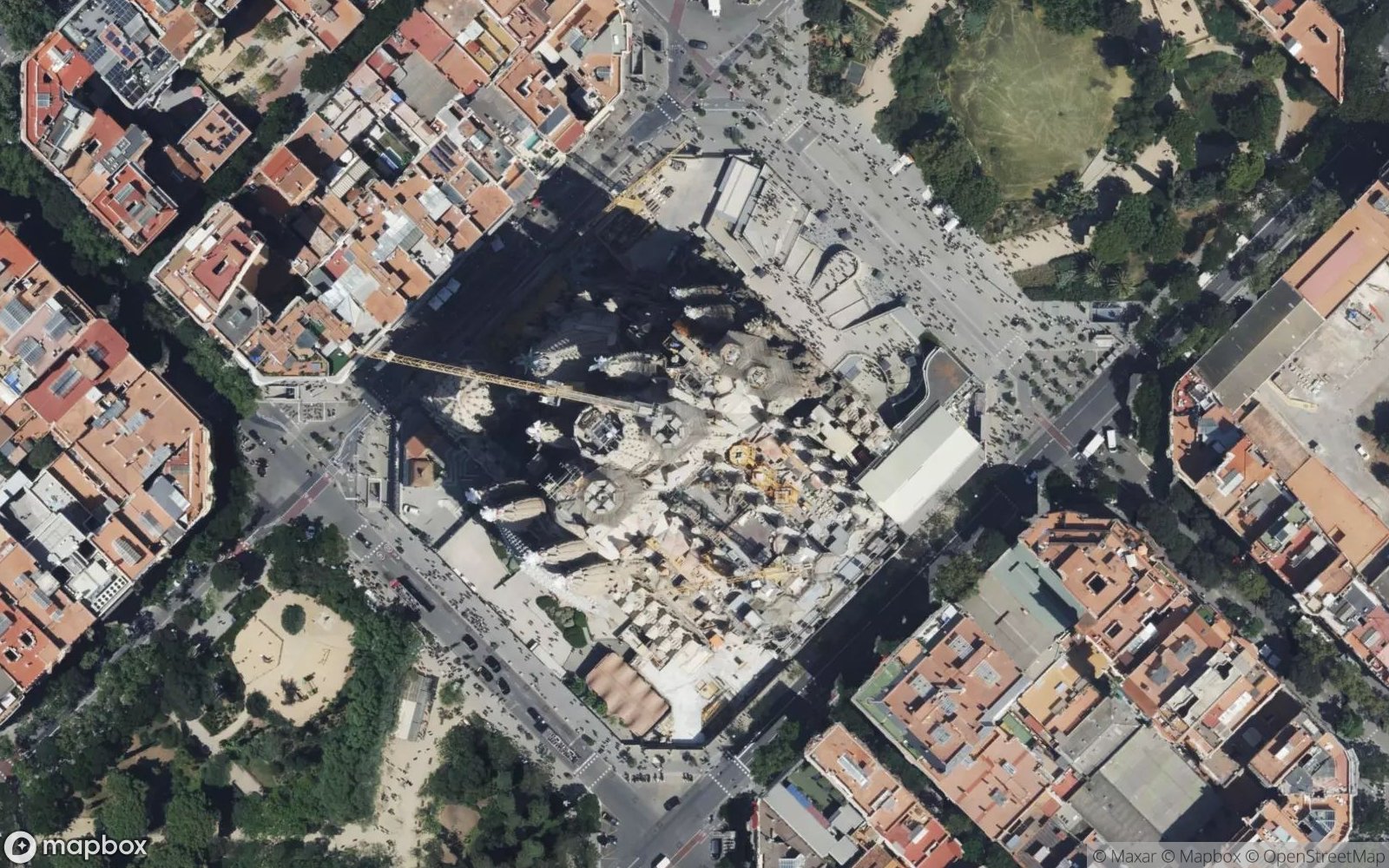
About Sagrada Familia
The Basílica de la Sagrada Família (Basilica of the Holy Family) is a large unfinished minor basilica in the Eixample district of Barcelona, Catalonia, Spain. Designed by the Spanish architect Antoni Gaudí (1852–1926), his work on the building is part of a UNESCO World Heritage Site. On 7 November 2010, Pope Benedict XVI consecrated the church and proclaimed it a minor basilica.
On 19 March 1882, construction of the Sagrada Família began under architect Francisco de Paula del Villar. In 1883, when Villar resigned, Gaudí took over as chief architect, transforming the project with his architectural and engineering style, combining Gothic and curvilinear Art Nouveau forms. Gaudí devoted the remainder of his life to the project, and he is buried in the crypt. At the time of his death in 1926, less than a quarter of the project was complete.
Relying solely on private donations, the Sagrada Família's construction progressed slowly and was interrupted by the Spanish Civil War. In July 1936, revolutionaries set fire to the crypt and broke their way into the workshop, partially destroying Gaudí's original plans, drawings and plaster models, which led to 16 years of work to piece together the fragments of the master model. Construction resumed to intermittent progress in the 1950s. Advancements in technologies such as computer aided design and computerized numerical control (CNC) have since enabled faster progress and construction passed the midpoint in 2010.
Play Landmarks Quiz 📖 Read More 🗺️ Google Maps 📘 Landmarks Guide