About Paris
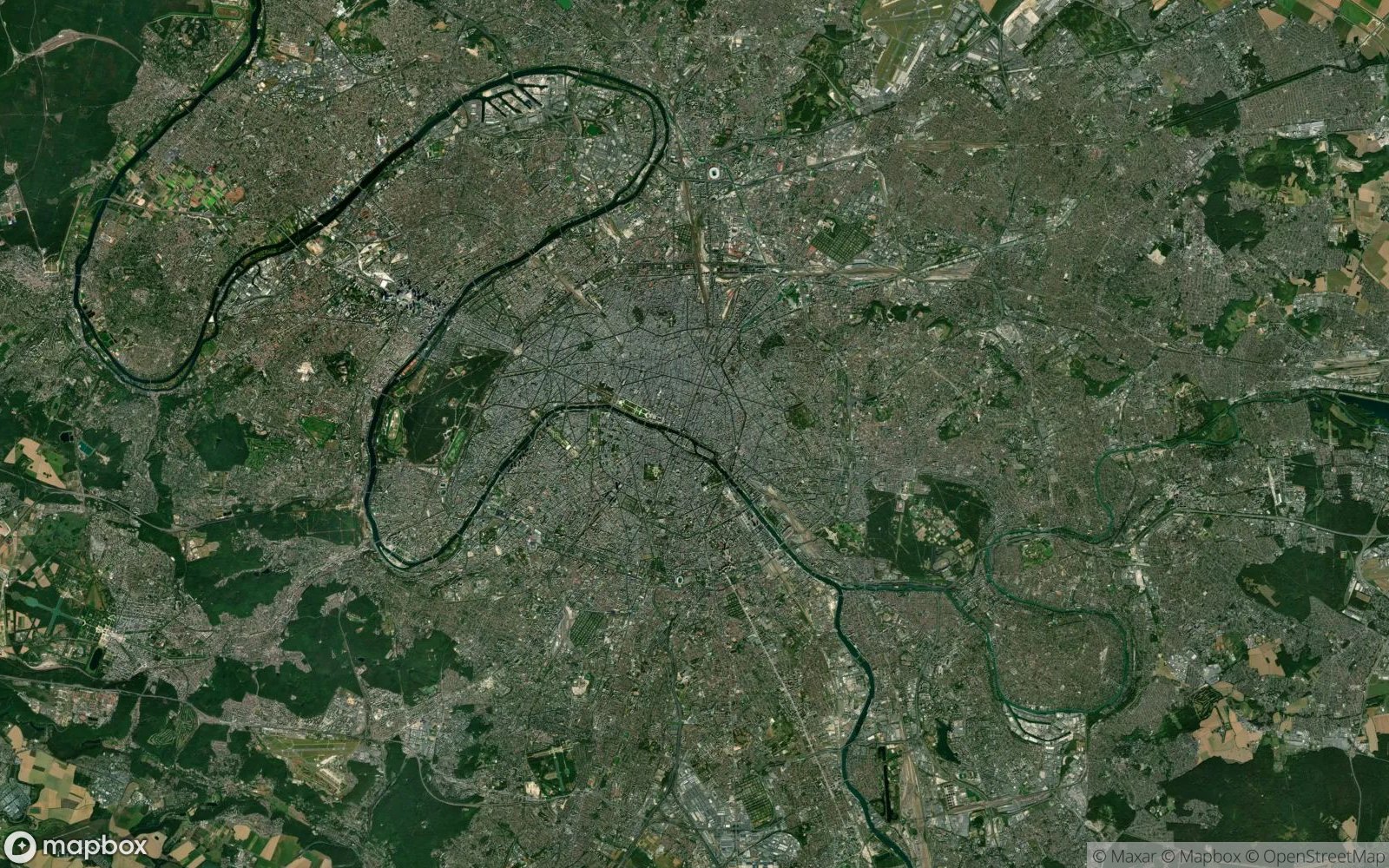
Paris is the capital and largest city of France, with an estimated city population of 2,048,472 in an area of 105.4 km2 (40.7 sq mi), and a metropolitan population of 13,171,056 as of January 2025. Located on the river Seine in the centre of the Île-de-France region, it is the largest metropolitan area and fourth-most populous city in the European Union (EU). Nicknamed the City of Light, partly because of its role in the Age of Enlightenment, Paris has been one of the world's major centres of finance, diplomacy, commerce, culture, fashion, and gastronomy since the 17th century. Administratively, Paris is divided into twenty arrondissements (districts), each having their own cultural identity. Haussmann's renovation of Paris, which created new boulevards, parks, and public works, gave birth to a modern city known as the "capital of the 19th century". Paris is a major railway, motorway, and air-transport hub; in 2024 Charles de Gaulle Airport was the EU's busiest airport. Paris has one of the most sustainable transportation systems in the world and is one of only two cities that have received the Sustainable Transport Award twice. Its Art Nouveau-decorated Métro has become a symbol of the city. Paris is known for its museums and architectural landmarks: the Musée d'Orsay, Musée Marmottan Monet, and Musée de l'Orangerie are noted for their collections of French Impressionist art, while the Musée National d'Art Moderne, Musée Rodin, and Musée Picasso are noted for their collections of modern and contemporary art. Parts of the city along the Seine have been designated as a UNESCO World Heritage Site since 1991. The President of France and both houses of the French Parliament sit in Paris. Paris is home to several United Nations organisations, including UNESCO, as well as other international organisations such as the OECD, the International Bureau of Weights and Measures (in neighbouring Saint-Cloud), the International Energy Agency, the Organisation internationale de la Francophonie, the International Federation for Human Rights, and the Fédération internationale de l'Automobile, along with European bodies such as the European Space Agency, the European Banking Authority, and the European Securities and Markets Authority. The city hosts many sporting events, such as the French Open, and is the home of the association football club Paris Saint-Germain and the rugby union club Stade Français. Paris has also hosted the Summer Olympics three times.
The ancient oppidum that corresponds to the modern city of Paris was first mentioned in the mid-1st century BC by Julius Caesar as Lutetia Parisiorum ('Lutetia of the Parisii') and is later attested as Parision in the 5th century AD, then as Paris in 1265. During the Roman period, it was commonly known as Lutetia in Latin, which is interpreted as either stemming from the Celtic root *lukot- ('mouse'), or from *luto- ('marsh, swamp'). The name Paris is derived from its early inhabitants, the Parisii, a Gallic tribe from the Iron Age and the Roman period. The meaning of the Gaulish ethnonym remains debated. According to Xavier Delamarre, it may derive from the Celtic root pario- ('cauldron'). Alfred Holder interpreted the name as 'the makers' or 'the commanders', by comparing it to the Welsh peryff ('lord, commander'), both possibly descending from a Proto-Celtic form reconstructed as *kwar-is-io-. Alternatively, Pierre-Yves Lambert proposed to translate Parisii as the 'spear people', by connecting the first element to the Old Irish carr ('spear'), derived from an earlier *kwar-sā. Residents of the city are known in English as Parisians and in French as Parisiens ([paʁizjɛ̃] ). They are also pejoratively called Parigots ([paʁiɡo] ).