About Venice
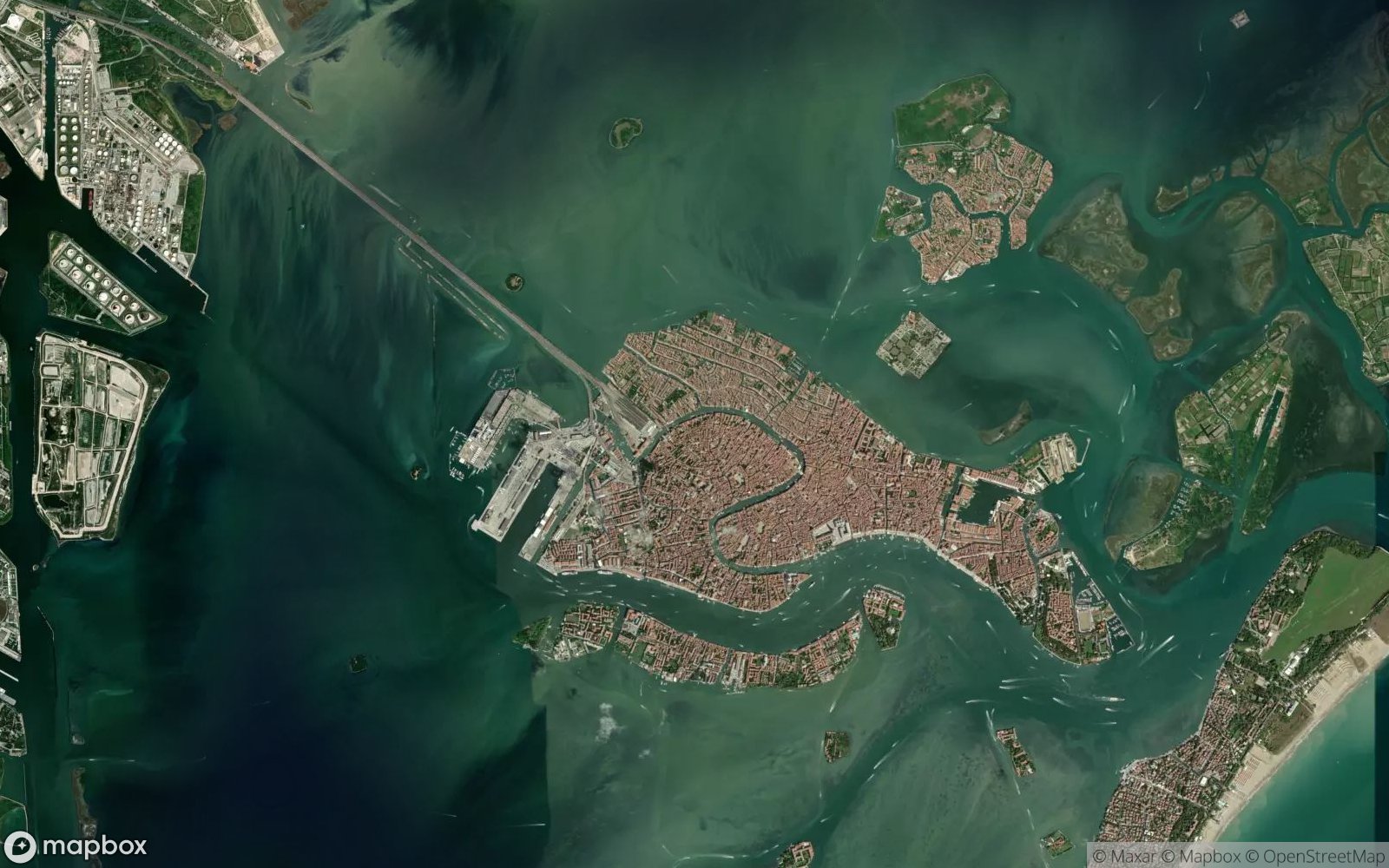
Venice is a city in northeastern Italy and the capital of the region of Veneto. It is built on a group of 126 islands that are separated by expanses of open water and by canals; portions of the city are linked by 472 bridges. The islands are in the shallow Venetian Lagoon, an enclosed bay lying between the mouths of the Po and the Piave rivers (more exactly between the Brenta and the Sile). As of 2025, the city proper (comune of Venice) has 249,466 inhabitants, nearly 50,000 of whom live in the historical island city of Venice (centro storico), while most of the population resides on the mainland (terraferma), and about 25,000 live on other islands in the lagoon (estuario). Together with the cities of Padua and Treviso, Venice is included in the Padua-Treviso-Venice Metropolitan Area (PATREVE), which is considered a statistical metropolitan area, with a total population of 2.6 million. The name is derived from the ancient Veneti people who inhabited the region by the 10th century BC. The city was the capital of the Republic of Venice for almost a millennium, from 810 to 1797. It was a major financial and maritime power during the Middle Ages and Renaissance, and a staging area for the Crusades and the Battle of Lepanto, as well as an important centre of commerce—especially silk, grain, and spice, and of art from the 13th century to the end of the 17th. The then-city-state is considered to have been the first real international financial centre, emerging in the 9th century and reaching its greatest prominence in the 14th century. This made Venice a wealthy city throughout most of its history. For centuries, Venice possessed numerous territories along the Adriatic Sea and within the Italian peninsula, leaving a significant impact on the architecture and culture that can still be seen today. The Venetian Arsenal is considered by several historians to be the first factory in history and was the base of Venice's naval power. The sovereignty of Venice came to an end in 1797, at the hands of Napoleon. Subsequently, in 1866, the city became part of the Kingdom of Italy. Venice has been known as "La Dominante" ("The Dominant" or "The Ruler"), "La Serenissima" ("The Most Serene"), "Queen of the Adriatic", "City of Water", "City of Masks", "City of Bridges", "The Floating City", and "City of Canals". The lagoon and the city within the lagoon were inscribed as a UNESCO World Heritage Site in 1987, covering an area of 70,176.4 hectares (173,410 acres). Venice is known for several important artistic movements – especially during the Italian Renaissance – and has played an important role in the history of instrumental and operatic music; it is the birthplace of Baroque music composers Tomaso Albinoni and Antonio Vivaldi. In the 21st century, Venice remains a very popular tourist destination and a major cultural centre, and has often been ranked one of the most beautiful cities in the world. It has been described by The Times as one of Europe's most romantic cities and by The New York Times as "undoubtedly the most beautiful city built by man". However, the city faces challenges, including overtourism, pollution, tide peaks, and cruise ships sailing too close to buildings. Because Venice and its lagoon are under constant threat, Venice's UNESCO listing has been under constant examination.
Although no surviving historical records deal directly with the founding or building of Venice, tradition and the available evidence have led several historians to agree that the original population of Venice consisted of refugees – from nearby Roman cities such as Patavium (Padua), Aquileia, Tarvisium (Treviso), Altinum, and Concordia (modern Portogruaro), as well as from the undefended countryside – who were fleeing successive waves of Germanic and Hun invasions. This is further supported by the documentation on the so-called "apostolic families", the twelve founding families of Venice who elected the first doge, who in most cases trace their lineage back to Roman families. Some late Roman sources reveal the existence of fishermen, on the islands in the original marshy lagoons, who were referred to as incolae lacunae ("lagoon dwellers"). The traditional founding is identified with the dedication of the first church, that of San Giacomo on the islet of Rialto (Rivoalto, "High Shore")—said to have taken place at the stroke of noon on 25 March 421 (the Feast of the Annunciation).